Beyond Attendance: 5 New Metrics for Measuring Event Success
Escaping the Tyranny of Numbers: Redefining Event Success
For many years, success in brand experience and the event industry was measured by tangible, yet often superficial, metrics: attendee count, number of leads collected, social media shares... While these figures are important indicators, they only tell the beginning of the story. True impact lies in the transformation created in the participant's mind and heart. This is where data-driven experience design steps onto the stage, leveraging the power of event analytics to redefine success. The question is no longer, "How many people came?" but rather, "What did attendees feel, what did they do, and how did this experience change their behavior?"
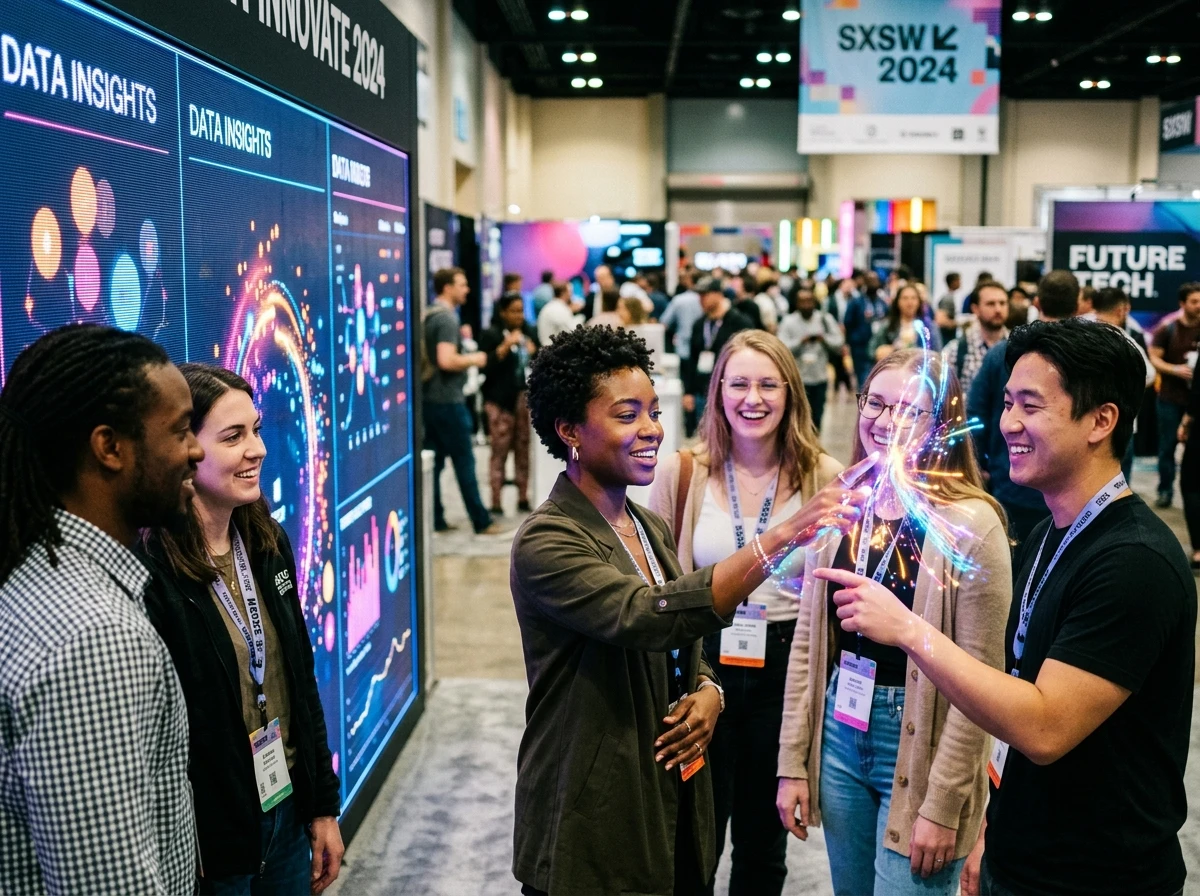
Globally, creativity festivals like Cannes Lions or innovation summits such as SXSW measure success not just by ticket sales, but by the interaction generated, the depth of topics discussed, and the quality of the networks formed. This new approach transforms data from a mere reporting tool into a strategic compass that shapes every stage of the experience. So, what are the key metrics of this new era?
1. Interaction Depth & Dwell Time
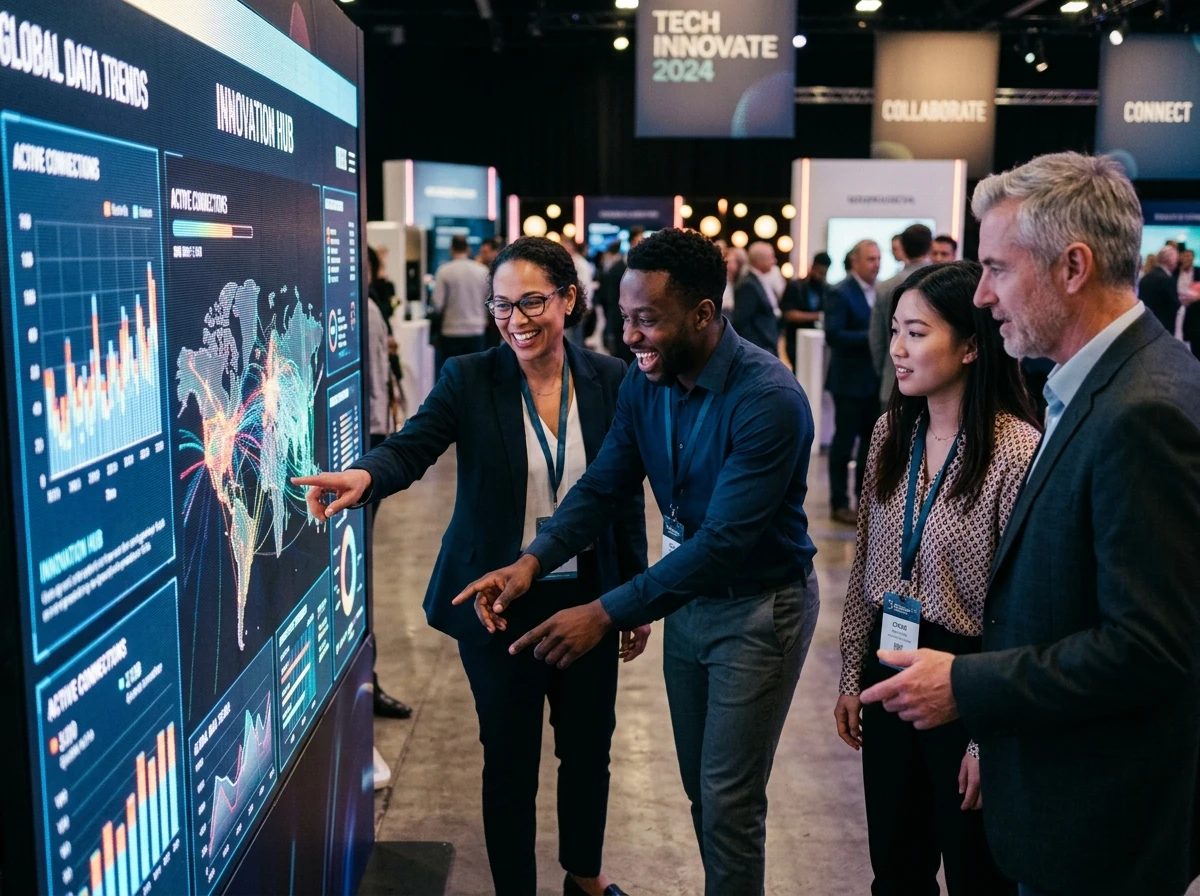
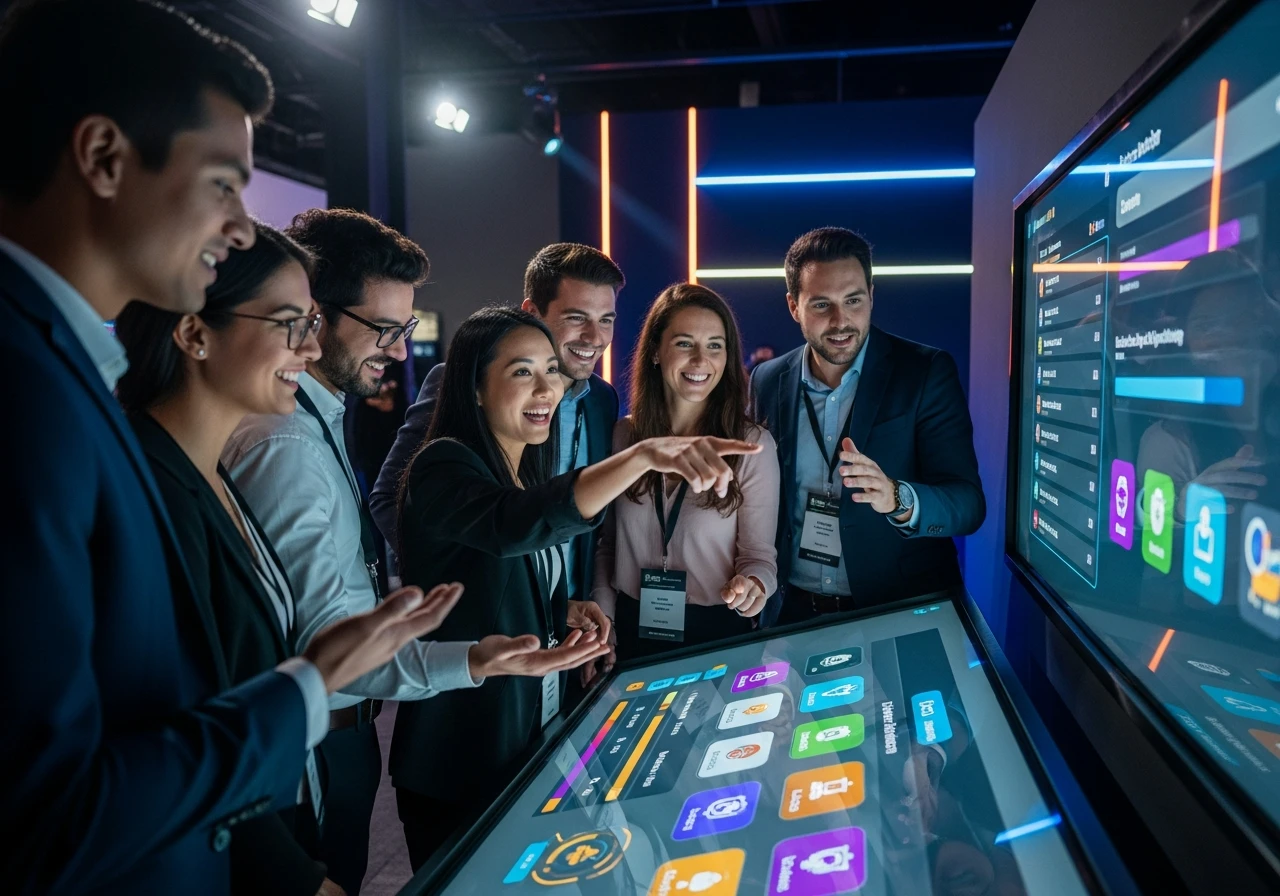
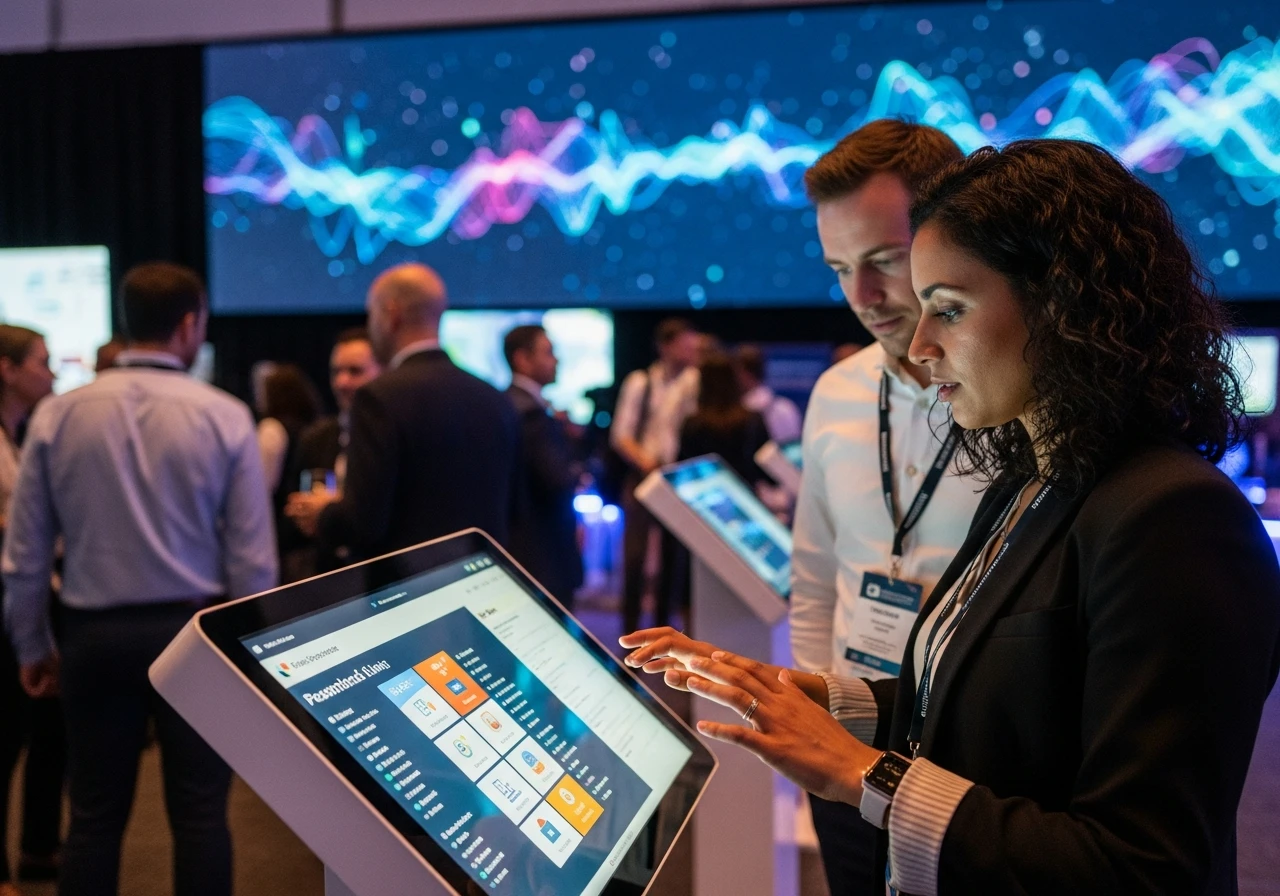
There's a significant difference between a participant merely being present at a session and actively asking questions, participating in polls, or engaging in workshops. Thanks to event applications, wearable technologies (NFC/RFID wristbands), and interactive screens, it's now possible to measure the depth of interaction. Analyzing which speaker received more questions or which booth attracted longer dwell times provides invaluable data, revealing content resonance and where participant interest is concentrated.
2. Content Consumption Analysis
In digitized events, content isn't limited to what's presented on stage. Post-event access to presentations, downloaded reports, most-watched video recordings... All of these indicate which topics participants value most. Spotify's annual "Wrapped" experience is one of the most popular examples of how personal data analysis can be transformed into a powerful engagement tool. Similarly, event organizers can analyze content consumption data to more accurately shape the agenda for the following year.
3. Networking Efficiency
One of the primary goals of B2B events, in particular, is to foster meaningful connections between the right people. Traditionally difficult to measure, this metric can now be quantified through smart matching algorithms and meeting requests made via event applications. Analyzing which professionals from which sectors interacted most, identifying the most productive networking areas, or determining which sponsors facilitated the most valuable connections, demonstrates how well the event delivers on one of its core promises.
4. Sentiment Analysis
How many times an event hashtag is used on social media is a "reach" metric. But what is the content of these shares? Are participants expressing excitement or disappointment? AI-powered sentiment analysis tools can scan thousands of social media posts and survey responses to create a comprehensive emotional map of the event. This is a critical method for proactively managing potential crises and measuring participant satisfaction in real-time. Major brands like Coca-Cola have been effectively using this technology for years to gauge the pulse of their global campaigns.
5. Behavioral Flow & Journey Mapping
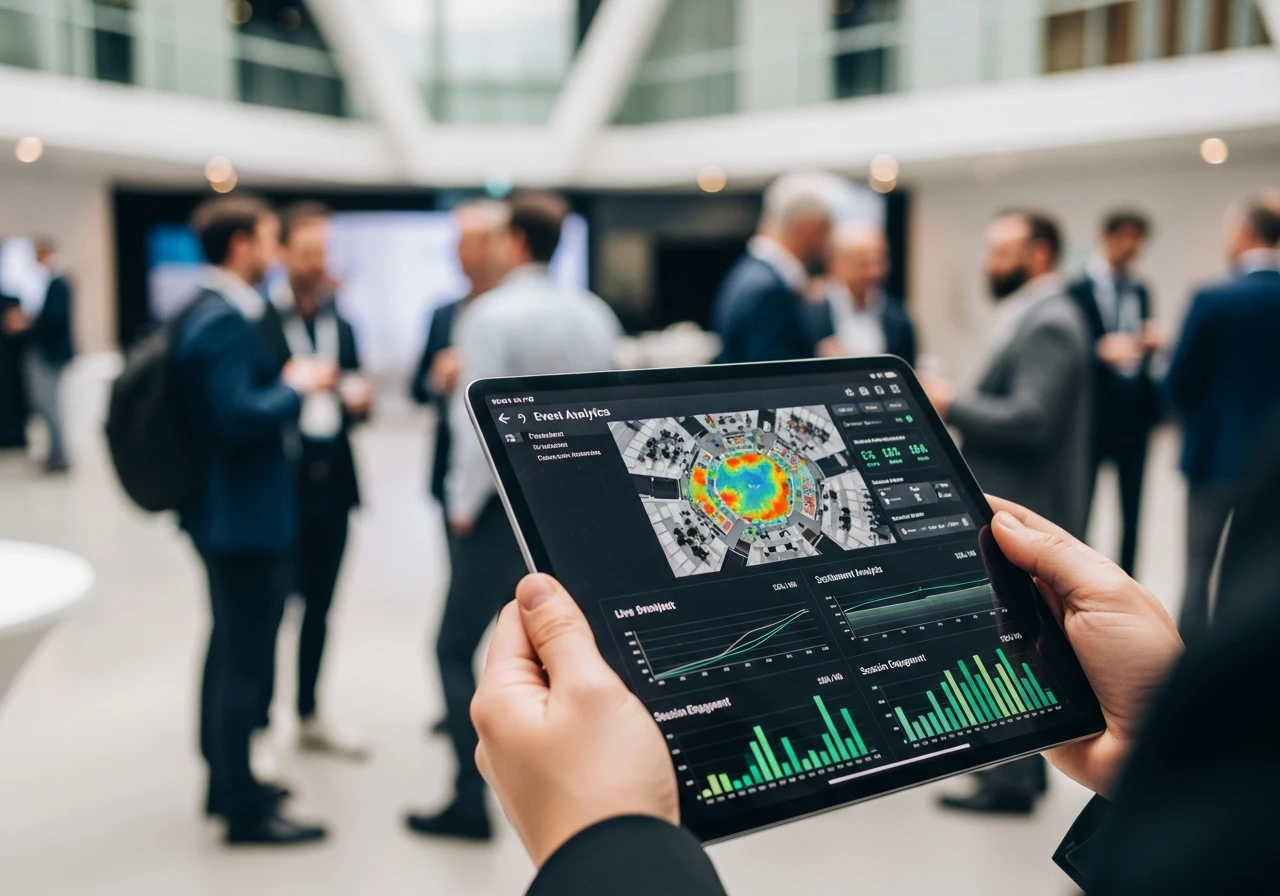
Tracking participants' footsteps within a physical event space reveals how successful the venue design and experience flow truly are. Heat maps can show which areas are "hot" (popular) and which are "cold" (overlooked). The average route participants take through an exhibition area, their transitions between booths, and any bottleneck points provide concrete data for optimizing the layout of the next event and increasing sponsor value. Just as Nike uses customer flow data to optimize its in-store experience, events can leverage this data to make physical spaces more efficient.
Conclusion: Data – The New Artist of Experience
Data-driven experience design doesn't eliminate creativity; on the contrary, it provides a more solid foundation for it. Intuition is replaced by evidence, and assumptions by insights. Brands that harness the power of event analytics not only organize more successful events but also build deeper, more meaningful, and long-lasting relationships with their target audience. The true measure of success is not a full hall, but the positive and lasting impression left in the mind of every individual who leaves that hall.
If you're looking to implement these trends for your brand and design an unforgettable experience, get in touch with us.
Get a Quote for Your Project
Contact us for experiences that will make your events unforgettable.