
Beyond Storytelling: 4 Ways to Create Emotional Connections Through Experience
Becoming Unforgettable in the Age of Digital Noise
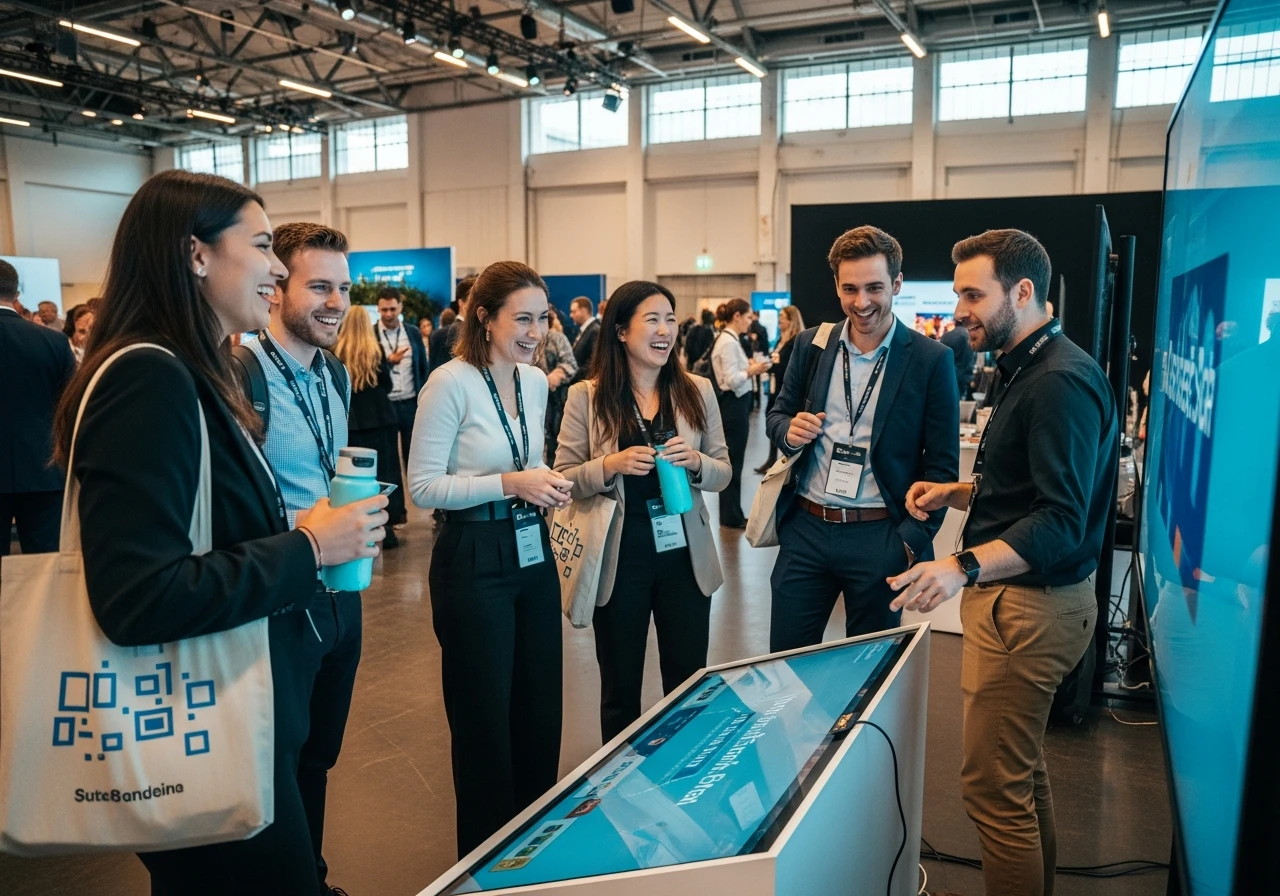
Capturing the attention of consumers, who are exposed to thousands of messages daily, has become an increasingly difficult battle for brands. Messages lost amidst social media feeds, email inboxes, and digital advertisements are proving insufficient for building brand loyalty. In this information bombardment, the way to stand out and leave a lasting impression is no longer just about telling a good story, but about letting the target audience *personally experience* that story. Brand experience strategies are becoming the most powerful tool for building emotional connections by transforming passive viewers into active participants. Successful brands don't just show or tell their messages; they design holistic, memorable moments that appeal to all five senses.
Experiential marketing is the art of leaving an 'emotional residue' in the consumer's mind. This residue penetrates far deeper than a product feature or a campaign slogan. Spotify's annual 'Wrapped' experience isn't just data visualization; it's a personal journey that reanimates a user's year through music. Similarly, Nike's marathon events are more than just races; they are rituals where participants push their limits, unite for a common goal, and write a success story alongside the brand. So, how can brands forge these deep and meaningful connections?
1. The Power of Atmosphere: Transforming Space into a Character
The venue where an event or brand activation takes place is more than just four walls. The atmosphere *is* the experience itself. A well-crafted atmosphere instantly draws participants into the brand's world. Scent plays a role here that is just as critical as visual elements. The strong link between the brain's olfactory and memory processing regions allows brands to create lasting memories through olfactory marketing. The signature scent permeating the lobby of a luxury hotel, or the aroma of freshly brewed coffee wafting through a coffee brand's activation space, subconsciously builds a positive association with the brand. Lighting design, soundscapes, and even the ambient temperature all shape the participant's emotional state and become part of the story being told.
2. The Psychology of Touch: Physical Interaction in a Digital World
In an era where we're accustomed to touching screens, the value of real, tactile experiences is increasing. The texture of materials, the weight of a product, or physical contact with an interactive installation creates a sense of reality and belonging that digital interactions cannot provide. For example, a waiting area furnished with high-quality materials at a car brand's launch, or test stations featuring different surfaces and materials set up by a technology brand for product trials, transform brand quality from an abstract promise into a tangible feeling. Coca-Cola's interactive vending machines that produce personalized cans not only offer participants a customized product but also make the experience unforgettable by allowing them to physically engage with the process.
3. The Memory-Triggering Role of Taste
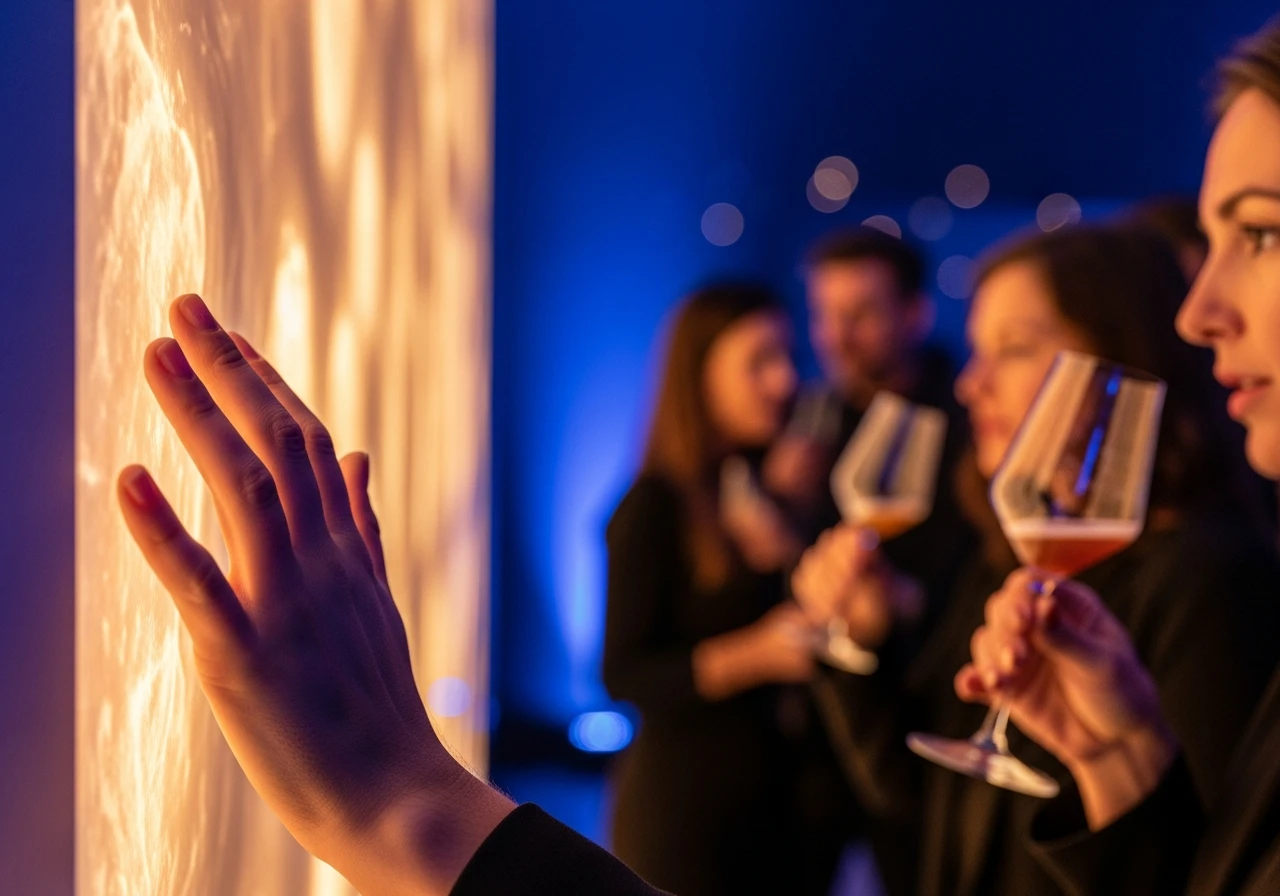
Taste and smell are the most powerful senses for triggering memory. This phenomenon, also known as the 'Proust Effect,' refers to how a specific taste or scent can instantly transport us back to a past memory or emotion. Brands can leverage this powerful connection by enriching their experiences with gastronomic elements. Specially designed cocktails reflecting an event's theme, local delicacies referencing a brand's origins, or molecular gastronomy presentations embodying the spirit of a product launch don't just offer participants a treat; they let them *taste* the brand's story. This experience leaves a lasting impression not only on the palate but also in the mind.
4. Multi-Sensory Moments Integrated with Technology
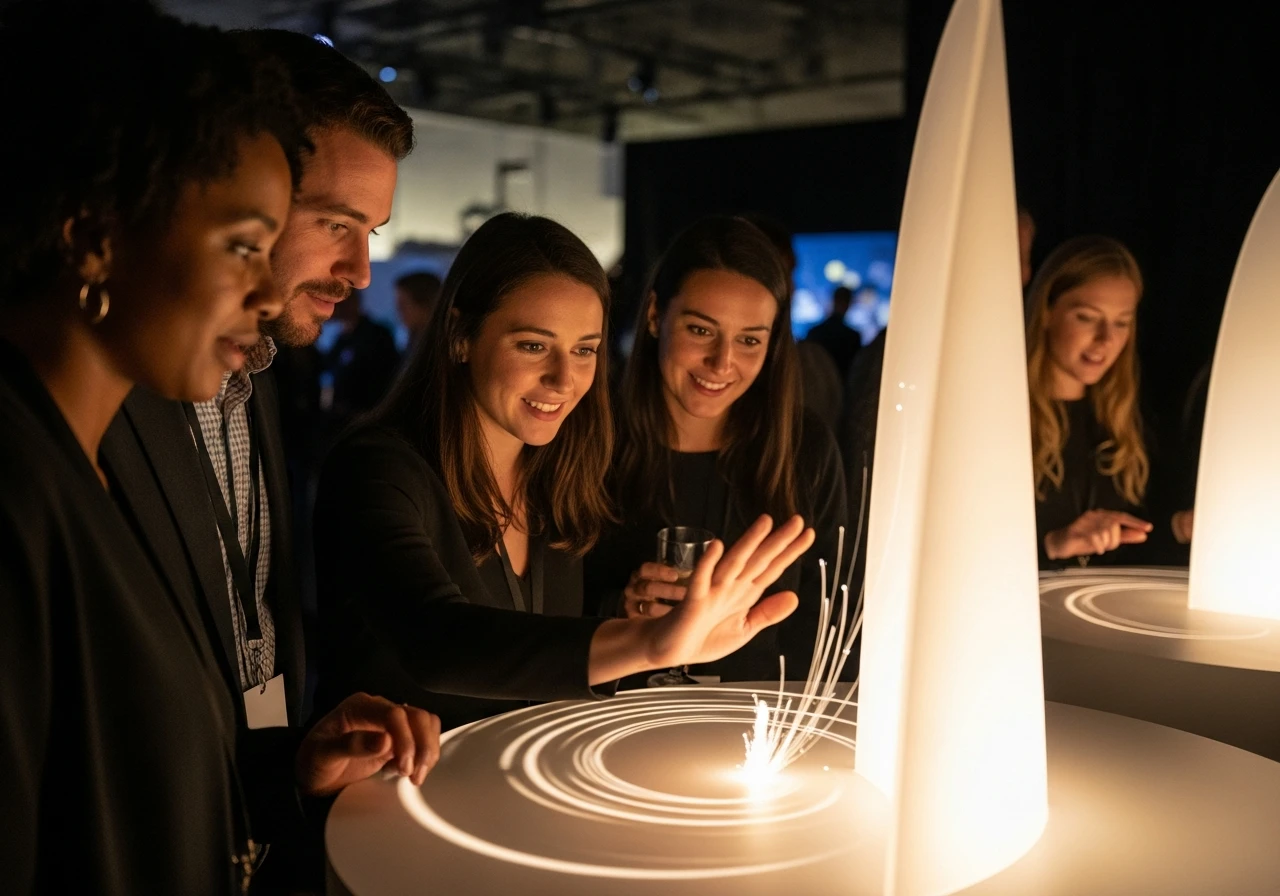
Creating sensory experiences doesn't mean moving away from technology. On the contrary, technology can be a powerful catalyst for engaging the senses. Augmented Reality (AR) filters enrich visual experiences, while haptic feedback devices add a physical dimension to digital interactions. At innovation-focused festivals like SXSW, interactive art installations that react to participants' movements or sounds are common. A brand using biometric sensors to change the venue's lighting and music according to the collective mood of participants is an inspiring example of how technology can be used to create a personalized and sensory experience.
Conclusion: Becoming a Brand That's Felt, Not Just Seen
In conclusion, brand loyalty is no longer merely a result of rational decisions, but rather an accumulation of emotional memories. Consumers remember and connect with brands that make them *feel* something, not just those that sell them something. Storytelling is important, but brands aiming to get ahead in the competition now need to let their audience *live* the story. Designing experiences that appeal to all five senses, transforming participants from passive observers into the heroes of the narrative, is today's most valuable marketing investment. Because at the end of the day, people may forget what you said, but they will never forget how you made them feel.
If you'd like to implement these trends for your brand and design an unforgettable experience, contact us.
Get a Quote for Your Project
Contact us for experiences that will make your events unforgettable.