Connecting Beyond Crowds: 5 Strategies Transforming Brand Activations at Festivals
From Sponsorship to Experiential Partnership: New Rules on the Festival Stage
The revitalized festival culture in the post-pandemic era offers a unique meeting point for brands. However, the rules of the game have changed. Simply hanging a giant logo or naming a stage is no longer enough to make an impact on the conscious Gen Z and Millennial audience. Today's consumer demands to be an active part of the experience, rather than a passive spectator. At this juncture, brand activations at festivals move beyond traditional sponsorship, holding the potential to transform crowds into genuine communities. Successful brands are no longer just trying to be heard amidst the noise; they are becoming experiential partners that add value, create shareable, and unforgettable moments for attendees.
So, how does a brand stand out amidst thousands of stimuli at a festival and forge a meaningful connection with attendees? The answer lies in placing people and their expectations at the heart of the strategy. Here are 5 key strategies to elevate your brand's presence at festivals:
1. Value-Driven Sanctuaries: Creating Benefit-Oriented Spaces
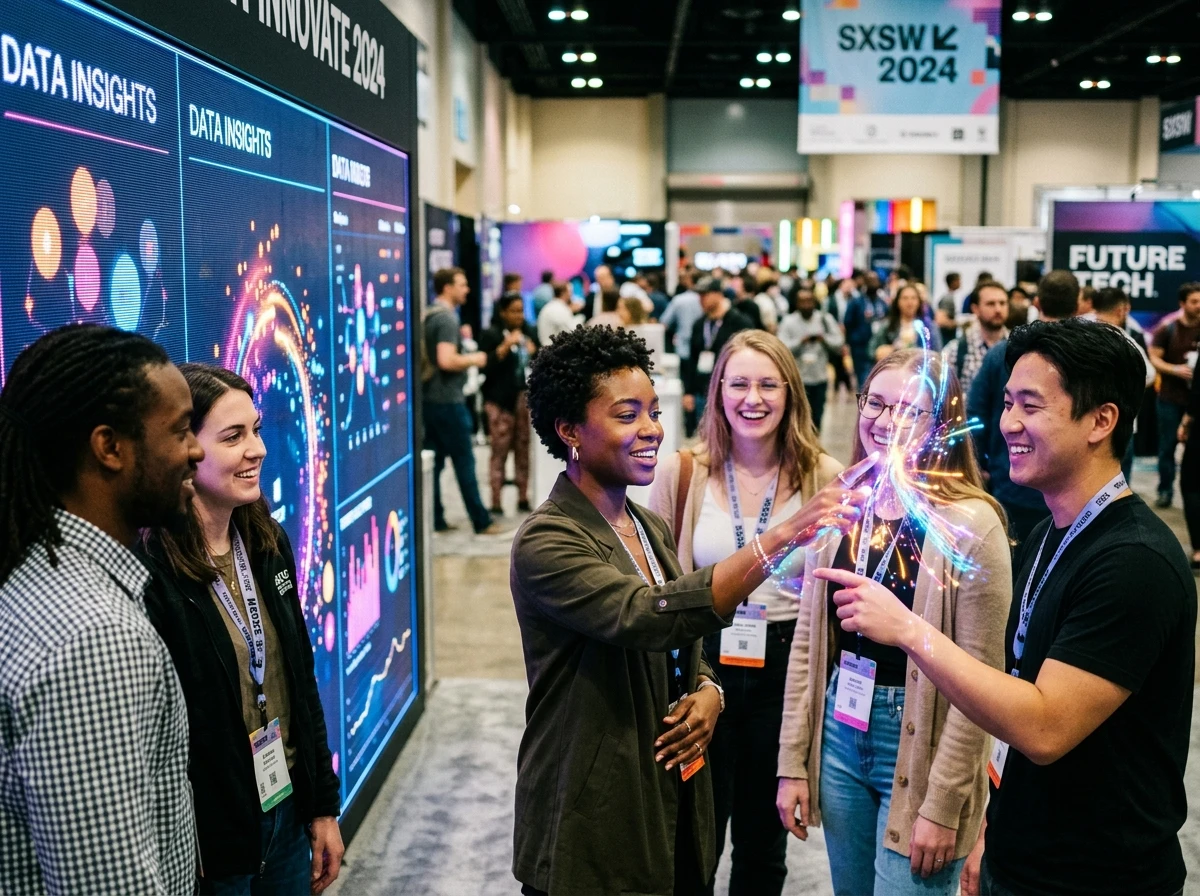
In the chaotic and energetic environment of a festival, what attendees need most are often the simplest things: a shaded area, phone charging facilities, a clean restroom, or a comfortable corner to rest for a moment. Brands that create "sanctuaries" addressing these basic needs leave a far stronger impression than a direct sales message. For instance, a tech brand setting up high-speed Wi-Fi and charging stations, or a skincare brand offering free sunscreen and refreshment points, positions the brand as a savior. This approach demonstrates that the brand cares about the attendee's experience, fostering deep empathy and brand loyalty in return. At massive events like SXSW or Coachella, these benefit-oriented spaces often become the most talked-about and visited spots.
2. From Participant to Creator: Designing UGC-Focused Experiences
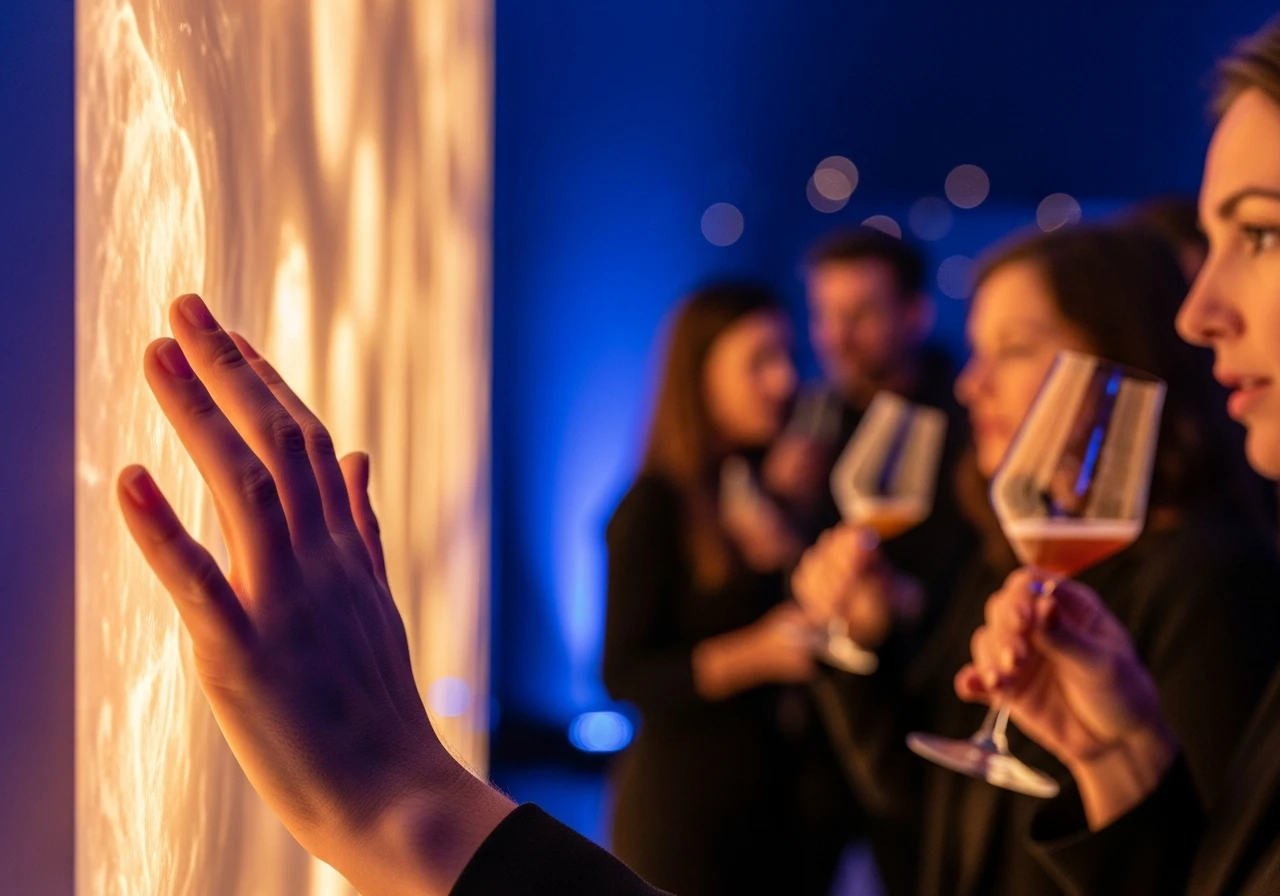
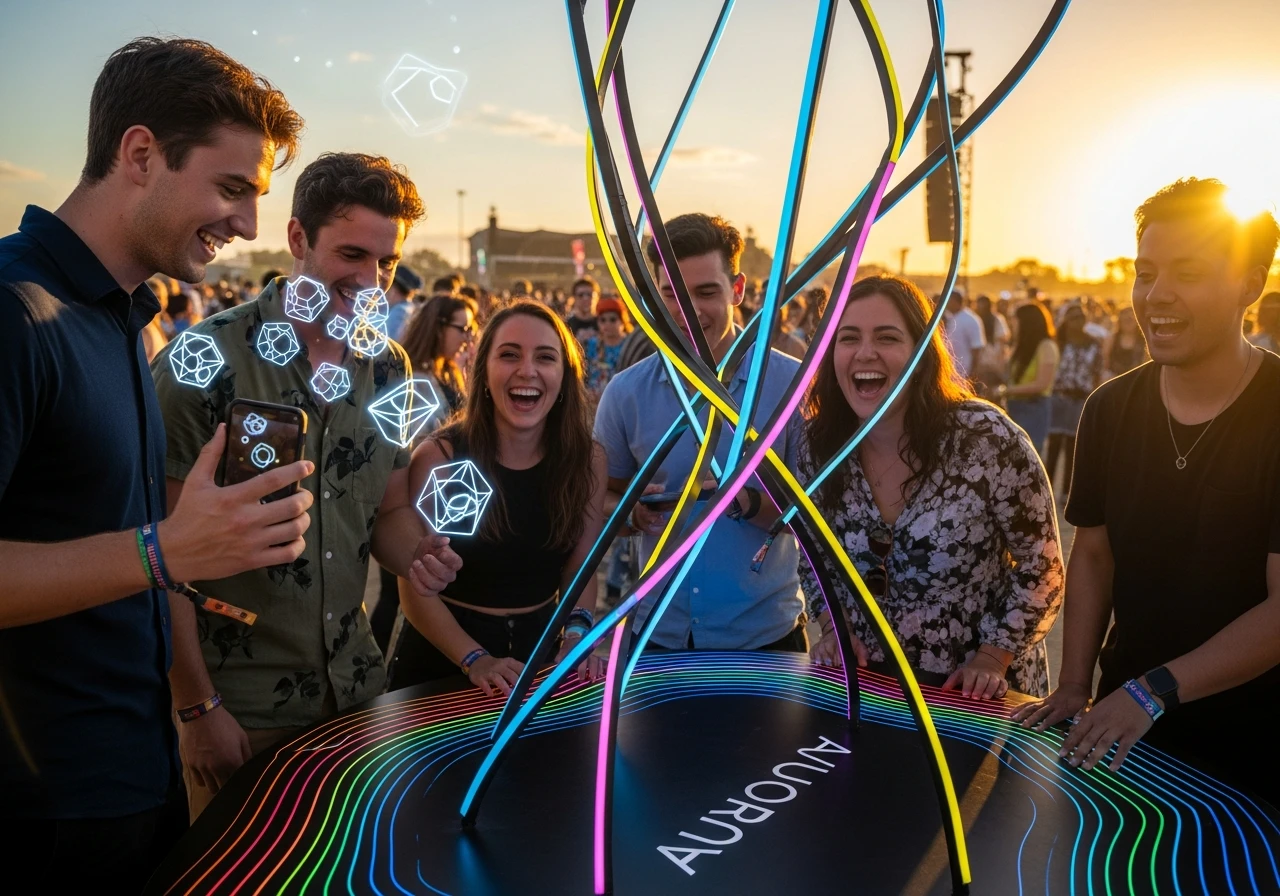
At the heart of the sharing economy are no longer just products or services, but experiences. Attendees love to share their moments on social media as part of their digital identity. The brand's role is to provide them with a stage to create shareable, aesthetic, and creative content. This must go far beyond a simple photo wall. Technologies like augmented reality (AR) filters, interactive art installations, customizable GIF booths, or digital walls shaped by participants' movements transform them from passive consumers into active content creators (UGC - User Generated Content). Nike's interactive playgrounds or Spotify's personalized experiences, bringing its Wrapped campaign into the physical world, are prime examples of how powerful this strategy can be.
3. Humanizing Technology: Meaningful Digital Interactions
Technology should not be an end in itself, but a tool that connects people to each other and to the brand. NFC wristbands used at festivals can be utilized not just for payments, but also for adding gamification elements, facilitating meeting new people, or earning special rewards by collecting points at different brand stations within the venue. Personalized program recommendations offered through a brand's festival app or a surprise performance announced via instant notifications demonstrate how technology can enrich the experience. The key is for technology to move beyond being a cold, distant interface and instead act as a bridge that makes the experience more seamless, personal, and enjoyable.
4. Creating Collective Moments: The Magic of Shared Experiences
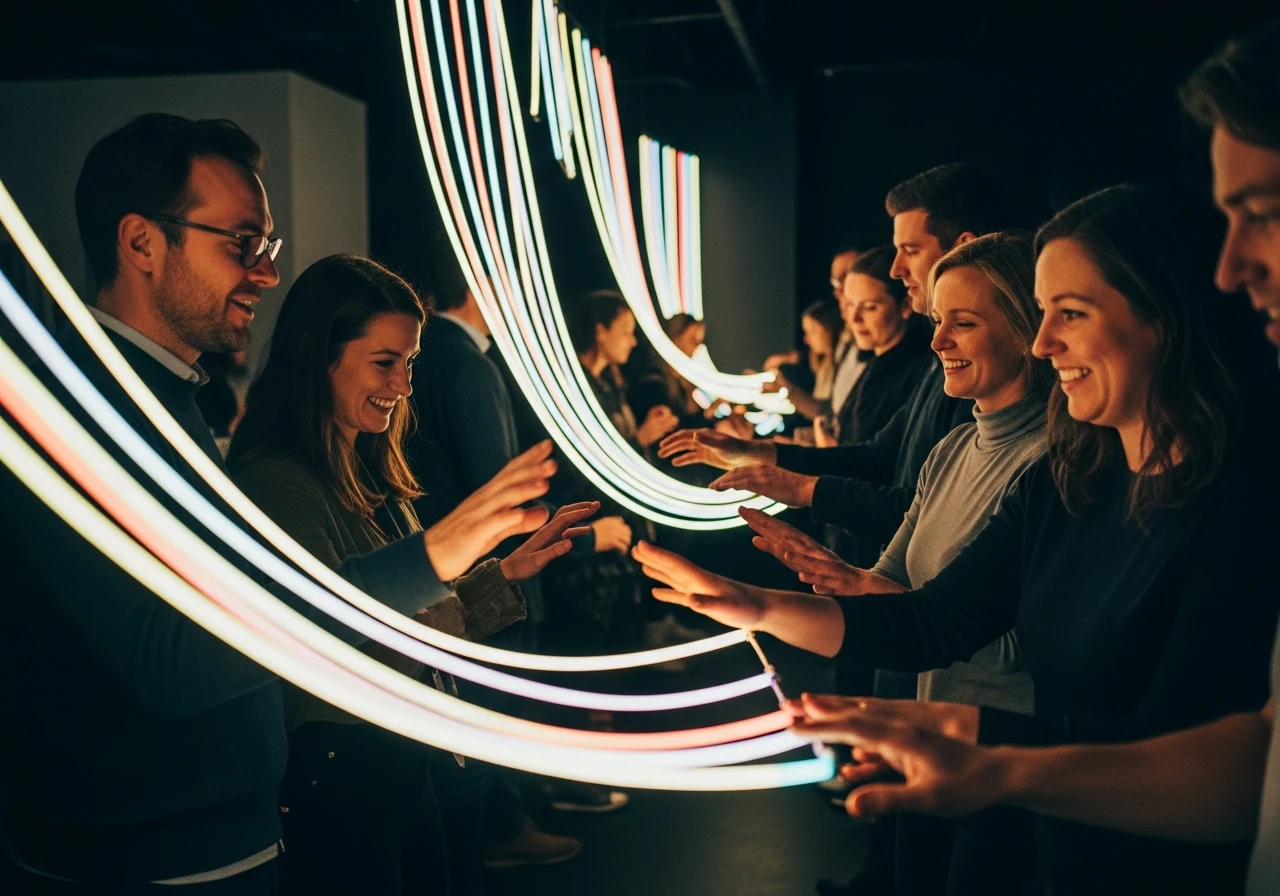
The spirit of festivals lies not so much in individual experiences, but in collective moments. Just as thousands of people sing along to the same song simultaneously, brands can create moments that capture this sense of "togetherness." This could be a light show where all attendees' wristbands glow in sync at a specific time, a workshop where everyone collectively completes a giant art piece, or a surprise flash mob involving everyone in the area. Coca-Cola's long-standing strategy built on "sharing happiness" is one of the philosophies that best encapsulates the power of these collective moments. By being at the heart of these moments, the brand positions itself as a positive and unifying force.
5. Measuring Beyond the Noise: Focusing on Engagement Metrics
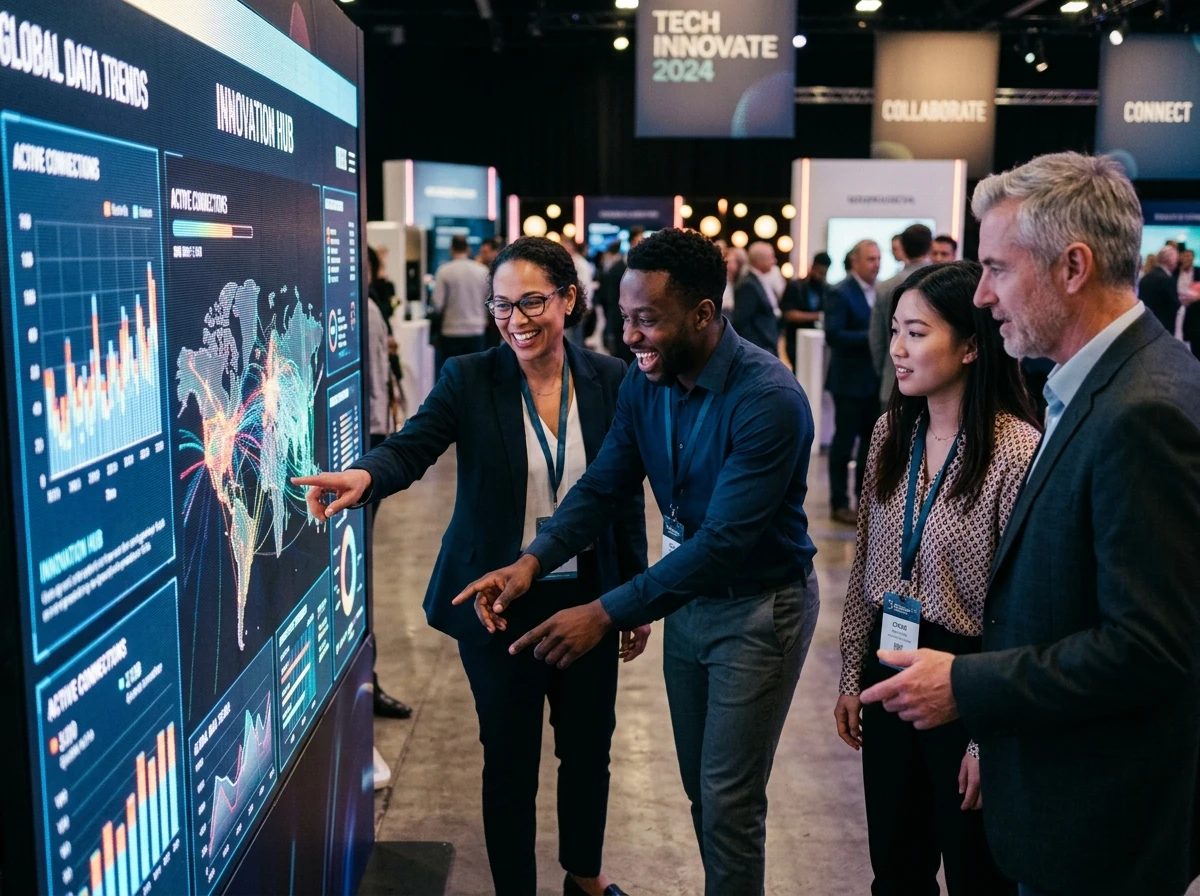
Measuring the success of festival activations solely by footfall misses the bigger picture. Deeper metrics are required to understand the true return on investment (ROI). Data such as the average dwell time of attendees in the area, the quantity and quality (sentiment analysis) of social media shares with the brand's hashtag, qualified data collected via QR codes or gamification, and changes in brand perception from post-experience surveys reveal the true impact of an activation. Success is less about how many people you reached, and more about how deeply you engaged with them. This data is invaluable for shaping future strategies.
In conclusion, success at today's festivals isn't about having the biggest budget, but about having the most creative and human-centric strategy. Brands can stand out from the crowds by respecting attendees' time and attention, offering them genuine value, and making them part of the story. It's crucial to remember that a festival lasts only a few days, but the positive memory and brand connection created by a well-designed experience are far more enduring.
If you'd like to implement these trends for your brand and design an unforgettable experience, get in touch with us.
Get a Quote for Your Project
Contact us for experiences that will make your events unforgettable.