

Collecting Data or Building Trust? The New Balance in Post-KVKK Events
The Paradox of the Experience Economy: Data Appetite vs. Privacy Shield
At the heart of the brand experience universe lies an undeniable truth: personalization is king. Attendees expect tailored experiences that cater to their interests and streamline their journey. The path to meeting this expectation runs through data. However, on the flip side of the coin, there's a heightened privacy awareness, bolstered by regulations like KVKK (Turkey's Personal Data Protection Law) and GDPR, coupled with legitimate consumer skepticism. This is precisely where the industry's current paradox begins: How can we strike a balance between data collection and privacy at events while respecting attendees' privacy, and transform this data into meaningful experiences?
Data collection strategies, once driven by the motto 'the more, the better,' must now give way to the understanding that 'the smarter, the more valuable.' The post-KVKK era isn't a restriction for brands; rather, it presents a unique opportunity to forge deeper, trust-based relationships with attendees.
1. Value Exchange: Not "I'll Take Your Data," But "I'll Enhance Your Experience"
The modern attendee understands that their data is a currency. To spend this currency, they expect to see tangible value in return. The first and most crucial rule for data collection at events is to offer this transparent value exchange. Spotify Wrapped's success is built precisely on this principle: users share their listening data throughout the year and, in return, receive a personalized, shareable, and entertaining summary. Similarly, at an event, tracking which sessions an attendee shows interest in, then suggesting a personalized agenda for the next day, or facilitating connections with other attendees who share similar interests, creates tangible value. Simply asking for consent isn't enough; it's essential to clearly explain why consent is requested and what will be offered in return.
2. The Minimalist Approach: Collect Only What's Necessary
The era of data collection gluttony is over. Every piece of unnecessary information gathered with the thought 'it might be useful someday' carries both a legal risk and erodes attendee trust. The strategy should be to identify a minimum number of high-quality data points directly relevant to the event's core objectives. For instance, at a B2B tech summit, an attendee's industry and job title are critical for enhancing the networking experience, whereas their marital status is entirely irrelevant. This minimalist approach demonstrates the brand's respect for attendee privacy and lightens the data security burden.
3. Using Technology as a Bridge
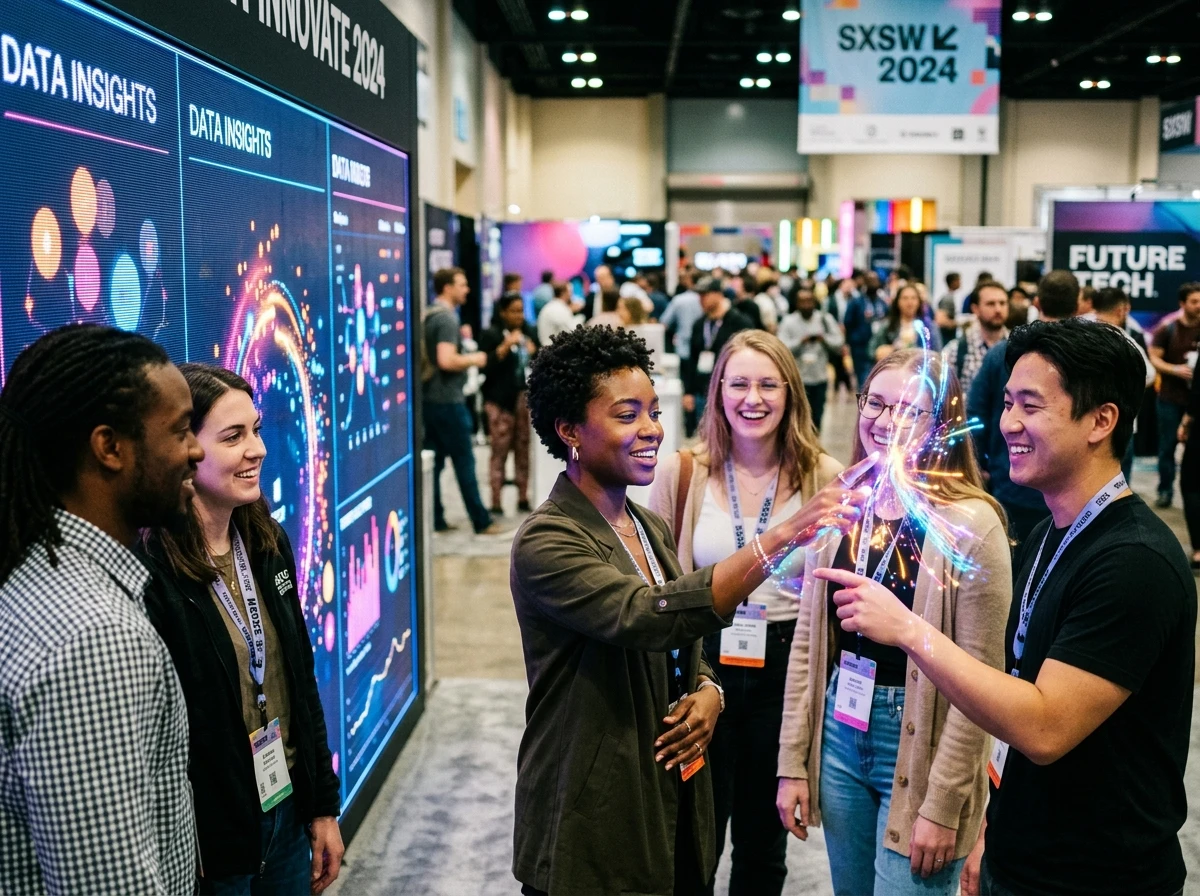
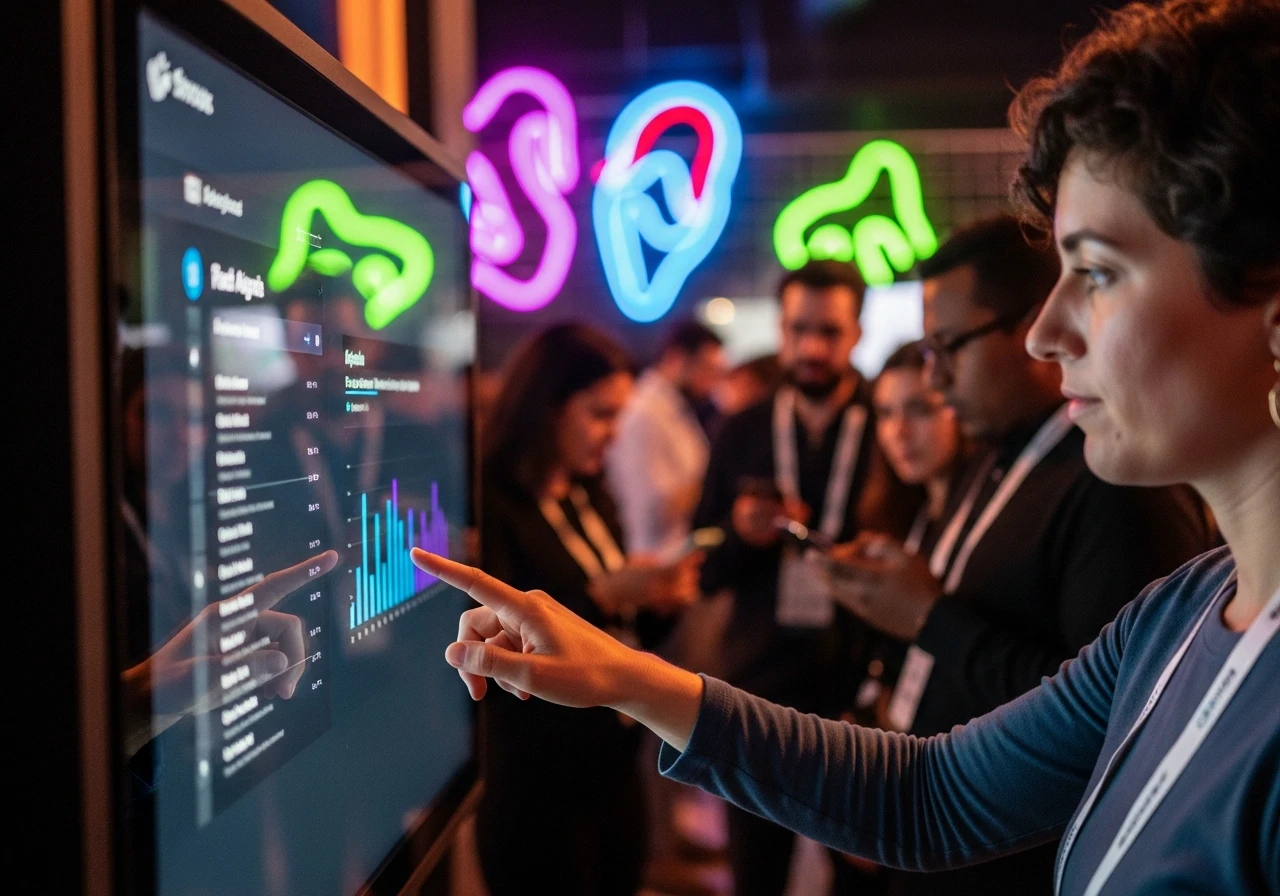
Event technologies are the most crucial tools for building the bridge between data collection and personalization. However, technology is a means, not an end in itself. RFID wristbands or NFC technology can anonymously measure how much time attendees spend at various booths (with explicit consent, of course). This data can be used in post-event analyses to identify popular areas, and also in real-time to direct attendees to popular spots. At massive festivals like SXSW, mobile apps allow attendees to build their schedules, receive instant notifications to avoid missing important sessions, and get recommendations based on their interests. Technology should be positioned not as a tool for privacy infringement, but as a service provider that enriches the experience.
4. Privacy Policy as a Trust Builder
Often perceived as tedious and lengthy legal texts, privacy policies are, in fact, one of a brand's most important communication tools. A privacy policy that is free of complex jargon, transparent, easy to understand, and clearly explains what data is collected, for what purpose, and for how long, is fundamental to building trust. The community-building power of global brands like Coca-Cola or Nike stems not only from their products but also from the transparent and consistent communication they establish with their consumers. Events are an integral part of this trust relationship. Making attendees feel they have full control over their data (e.g., offering the ability to easily delete or correct their information) increases brand loyalty.
Conclusion: Privacy is the Foundation of New Personalization
In conclusion, data collection and privacy at events are no longer opposing concepts but two vital elements that feed into each other. Data is the fuel needed to personalize the experience; respect for privacy is the trust required to acquire that fuel. It's no coincidence that even at platforms like Cannes Lions, where creativity peaks, the most talked-about works are campaigns that ethically combine technology and human insight. Future successful brand experiences will be measured not by their data collection capabilities, but by how responsibly, transparently, and creatively they use the data they collect to add value for their attendees. Brands that prioritize trust will not only comply with regulations but also cultivate the most loyal and engaged audiences.
If you'd like to implement these trends for your brand and design an unforgettable experience, contact us.
Get a Quote for Your Project
Contact us for experiences that will make your events unforgettable.