


Sustainable Events: Why the Future of Brand Experience Must Be Green?
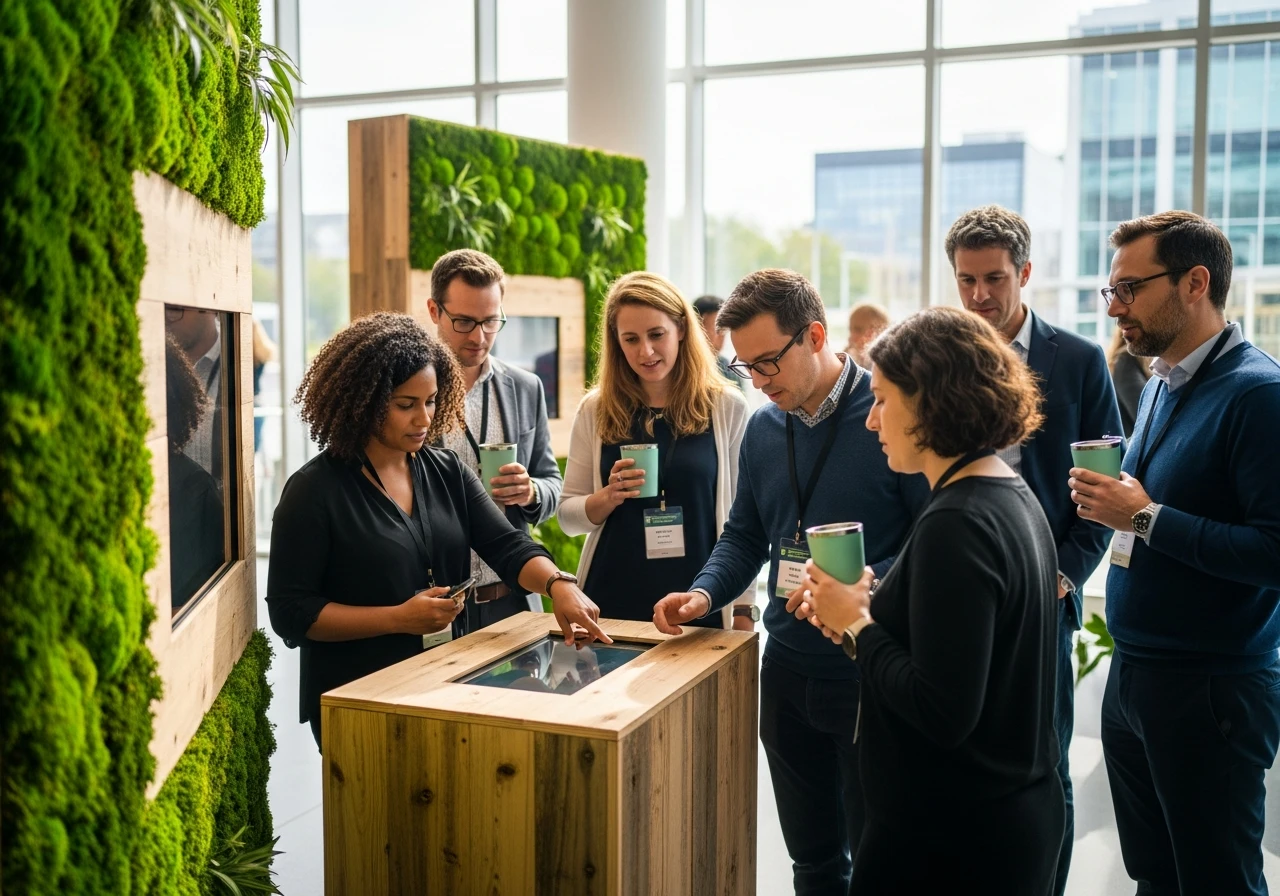
A Green Vision: Why Sustainable Events Are More Than Just a Trend?
The concept of sustainability, which has permeated every sector of the business world in recent years, is fundamentally transforming brand experience and the events industry. No longer limited to just recycled name tags or digital brochures, sustainable events have become one of the most powerful platforms for brands to concretely showcase their values, visions, and social responsibilities. This is more than a fleeting trend; it's a permanent mindset shift, shaped particularly by the expectations of Gen Z and Millennials, forming the cornerstone of brand reputation and long-term success.
Consumers are no longer just purchasing a product or service; they are embracing the entire set of values a brand represents. Reports from Nielsen and similar research firms prove that consumers actively prefer brands that are environmentally and socially conscious, showing greater loyalty to them. In this context, events offer a unique opportunity to tell a brand's sustainability story. Conversely, insincere, superficial “greenwashing” practices are immediately recognized by consumers and can cause lasting damage to a brand's image.
The 4 Core Pillars of Effective and Responsible Experience Design
Designing a sustainable event requires a holistic approach that goes far beyond focusing on a single area. Here are the strategic pillars that form the foundation of this transformation:
1. Measuring and Reducing Your Carbon Footprint
Every event has a carbon footprint. Factors such as transportation, energy consumption, logistics, and accommodation contribute to this footprint. A responsible approach begins with measuring this impact. Critical steps include choosing venues with easy access to public transport and green building certifications like LEED, utilizing energy-efficient lighting and HVAC systems, and encouraging attendees to use transportation methods that reduce carbon emissions. For instance, mega-events like the Paris 2024 Olympics are inspiring the industry with their goals to minimize their carbon footprint and even aim for carbon-positive status.
2. Circular Economy and Zero-Waste Goals
The 'take-make-dispose' culture is the antithesis of a sustainable event approach. The goal is to adopt a circular economy model, minimizing waste at its source. Key practices include completely banning single-use plastics, setting up water stations to encourage reusable bottles, and preventing paper waste with digital invitations and mobile apps. Reusing event decoration materials post-event or upcycling them into other projects are some of the most creative examples of this philosophy. Deposit-return cup systems implemented by major music festivals stand out as successful models in this regard.
3. Responsible Supply Chain and Local Development
An event's sustainability impact isn't limited to the event venue itself. All suppliers involved are part of this chain. Collaborating with partners who use local and seasonal products for catering, offer fair-trade certified coffee, and utilize recycled or sustainably sourced materials for stand production deepens a brand's commitment to responsibility. This approach not only reduces environmental impact but also supports the local economy, leaving a positive social legacy.
4. Social Impact and Inclusivity
Sustainability isn't solely about the environment; it's also human and community-centric. The contribution an event makes to the local community where it's held, along with the longevity and inclusivity of its impact, are crucial parts of this equation. Featuring local artists or entrepreneurs, donating surplus food to food banks, or structuring a part of the event to serve a social cause (e.g., collaborating with an NGO) demonstrates that a brand is not just a commercial entity but also a social stakeholder. Brands like Patagonia transforming their events into platforms for activism are among the most inspiring examples of this approach.
Conclusion: Sustainability is an Opportunity, Not a Limitation
Designing sustainable events might seem like an additional cost or operational burden for brands. However, viewed with a strategic vision, it's not a limitation but rather an opportunity for innovation, creativity, and forging deeper connections. Experiences designed with an environmentally and socially conscious approach build a strong bridge with the target audience through shared values, reinforce brand loyalty, and most importantly, leave a positive legacy for our planet. The future of experience marketing will undoubtedly be more conscious, more responsible, and greener.
If you'd like to bring these trends to life for your brand and design an unforgettable experience, contact us.
Get a Quote for Your Project
Contact us for experiences that will make your events unforgettable.