The Future of Experiential Marketing: 4 Strategies to Make Brands Stand Out in 2025
From One-Off Events to Continuous Experience Ecosystems
Experiential marketing is no longer an optional item in brands' marketing strategies; it has become a fundamental element forming the main backbone. In a world where consumer attention spans have dwindled to mere seconds and digital noise is more intense than ever, the way to forge genuine and lasting connections with brands is by offering unforgettable moments. However, the very concept of an 'event' is undergoing a radical transformation. One-off organizations confined within four walls, with a specific start and end date, are giving way to continuous, technology-enriched, and personalized experience ecosystems at every touchpoint.
Conference halls filled with passive audiences or static product launches are a thing of the past. Tomorrow's successful brands will be those that make consumers part of the story, co-create with them, and generate value. So, what are the fundamental dynamics of this new era? Here are four key strategies shaping the future of experiential marketing and propelling brands a step ahead.
1. From Ultra-Personalization to Hyper-Individualization
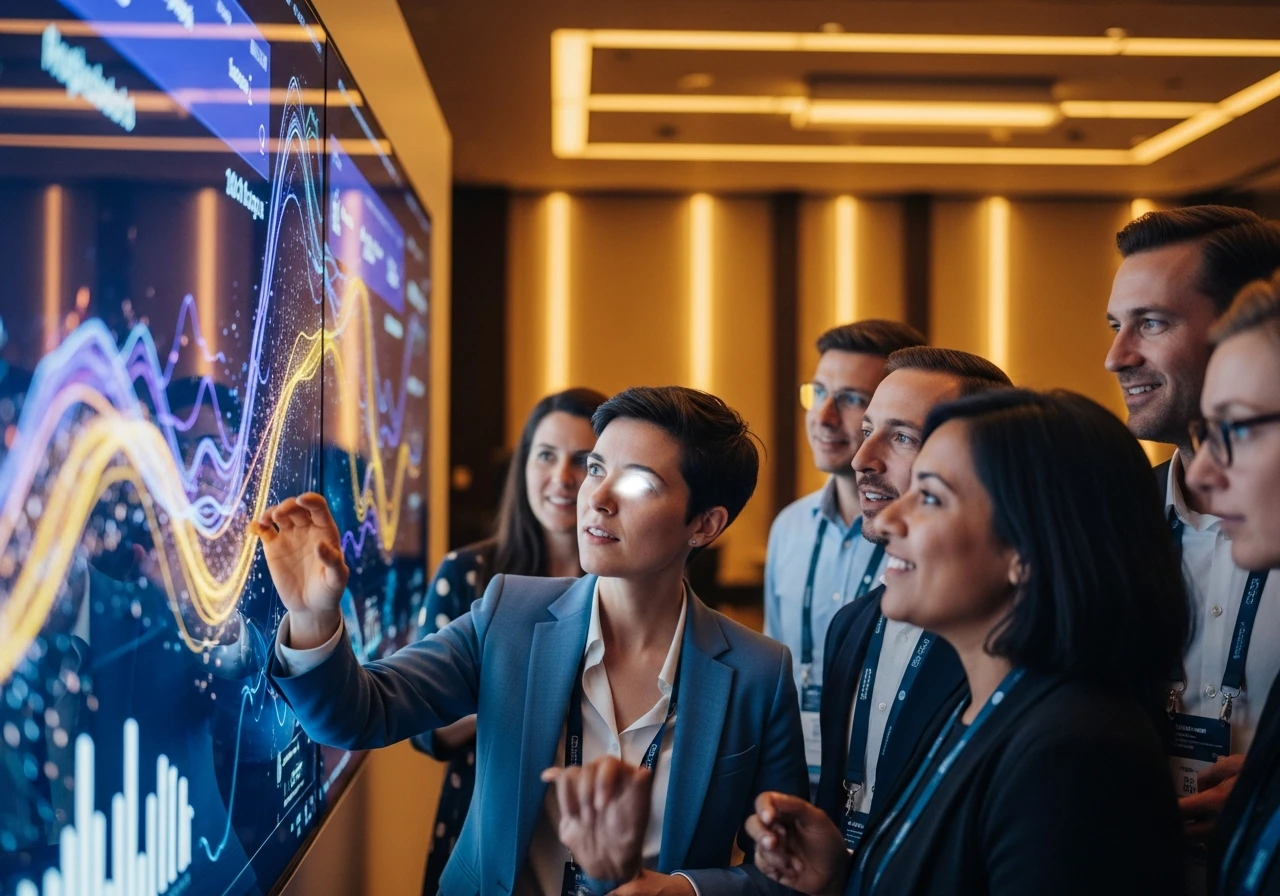
Personalization now means much more than simply printing a participant's name on a badge. Thanks to artificial intelligence and data analytics, it's now possible to design a completely unique experience journey for each individual participant. Consider Spotify's personalized 'Wrapped' experience offered at the end of each year. This is an experience delivered to millions of users simultaneously, yet each one is entirely individual. When we adapt this logic to physical events, the potential becomes limitless:
- Dynamic content streams that change based on the participant's interests.
- Personalized networking opportunities suggested via a mobile app.
- Exclusive content and workshops offered based on past behavioral data.
In the future, it will be almost impossible for two people attending an event to have the exact same experience. Everyone will be the hero of their own hyper-individual journey, shaped by their interests and needs.
2. From 'Phygital' Blends to Integrated Reality
The 'hybrid' concept, which entered our lives with the pandemic, broke down the walls between the physical and digital worlds. However, the next stage isn't about thinking of these two worlds separately and then combining them; it's about designing them as a single, integrated reality from the outset. Nike's 'House of Innovation' stores are prime examples of this approach. Inside the store, you can scan a physical product with a mobile app to access digital information, reserve a fitting room, and make contactless payments. There is no disconnect between the physical and digital experience.
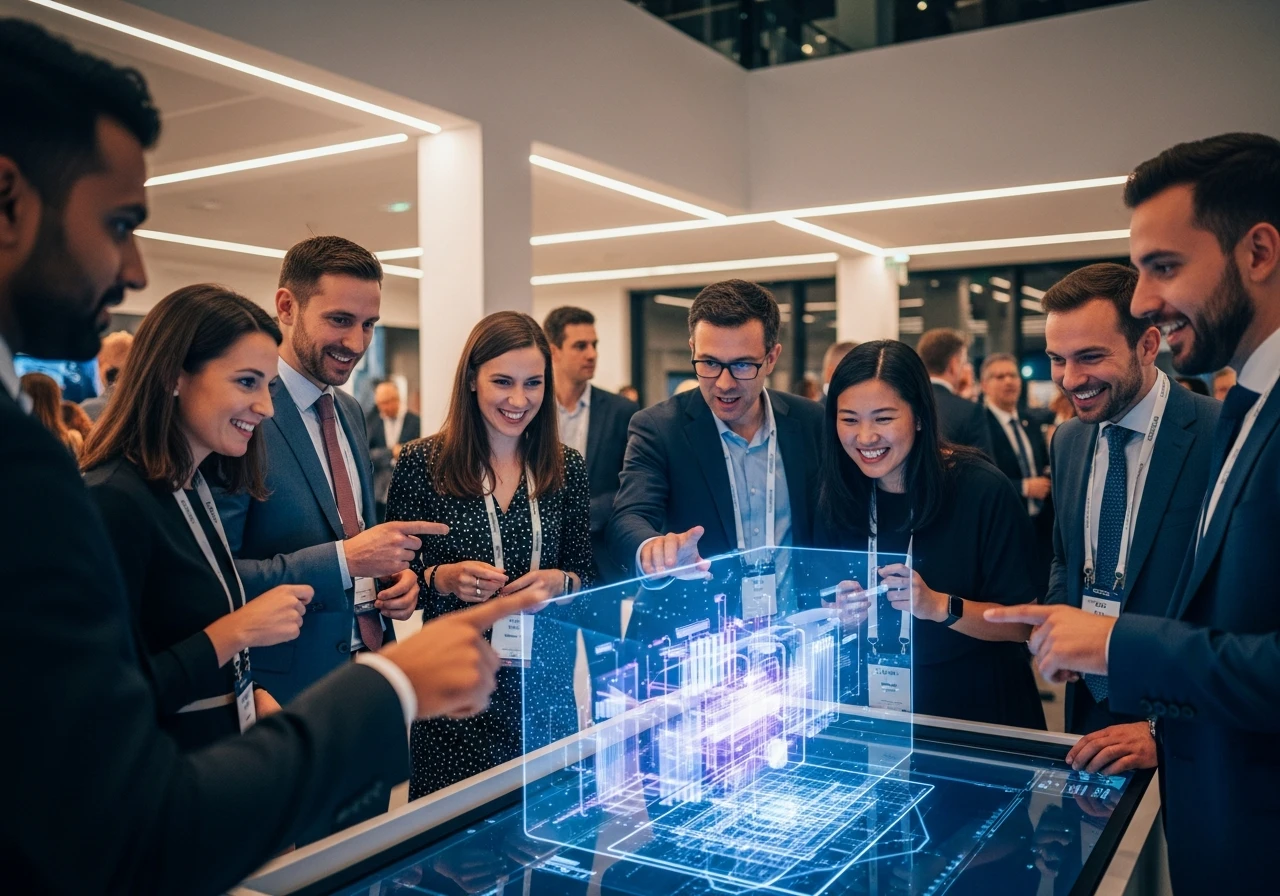
When this approach is applied to events, it creates cyclical and fluid experiences: a physical activation might lead a participant on a weeks-long digital journey, an augmented reality (AR) experience resonates on social media, and that resonance, in turn, draws new visitors back to the physical space.
3. Building Community: From Consumer to Participant and Co-Creator
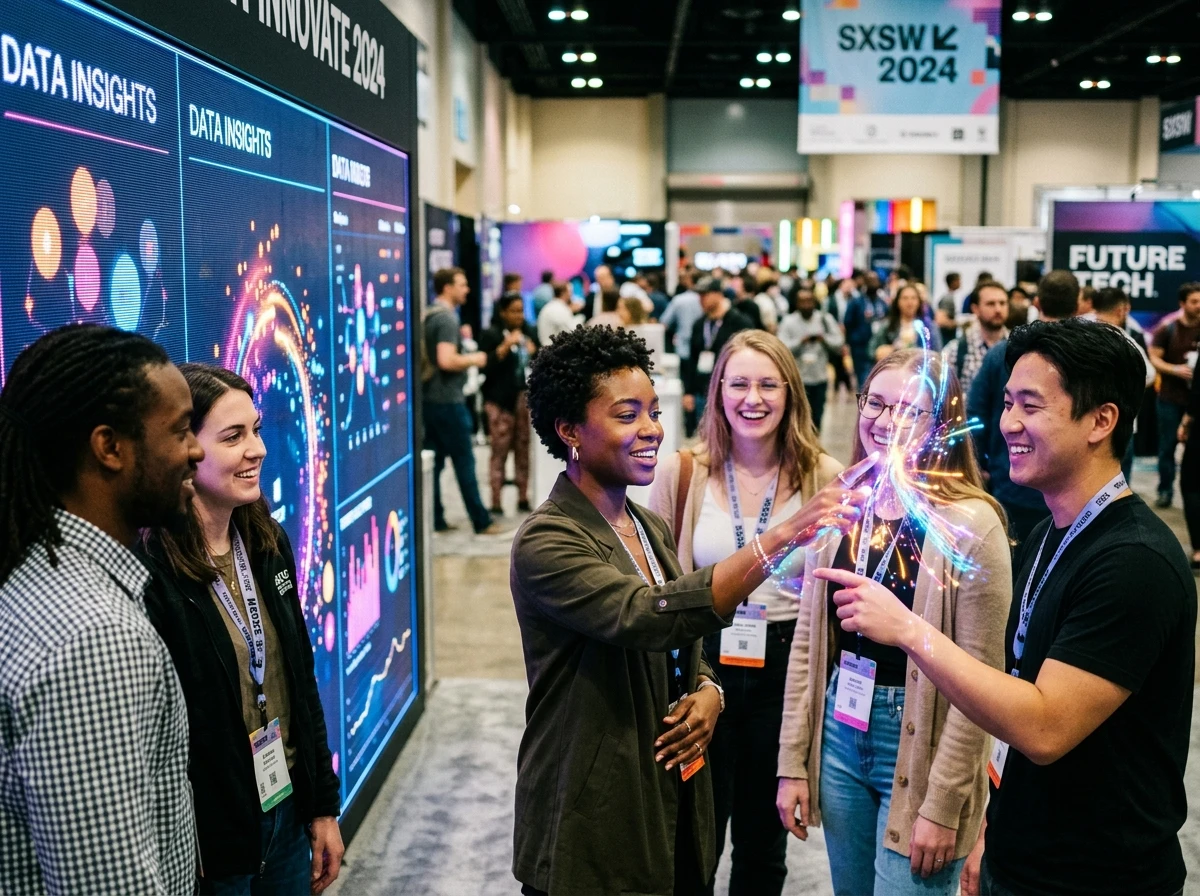
Brands are no longer the sole actors on stage; they are facilitators who set the stage and bring the community together. The most successful experiences are not platforms where the brand delivers a monologue, but where the community engages in dialogue. The power of massive festivals like SXSW (South by Southwest) or Cannes Lions comes not just from the content they offer, but from the community of creative minds from around the world and the interaction among them.
Brands must move beyond viewing consumers as passive recipients and instead position them as 'participants' and even 'co-creators' who are part of the brand. Experiences that center user-generated content, encourage participants to form meaningful connections with each other, and invite them to co-write the brand's story maximize loyalty and brand ownership.
4. Purpose and Impact-Driven Experiences
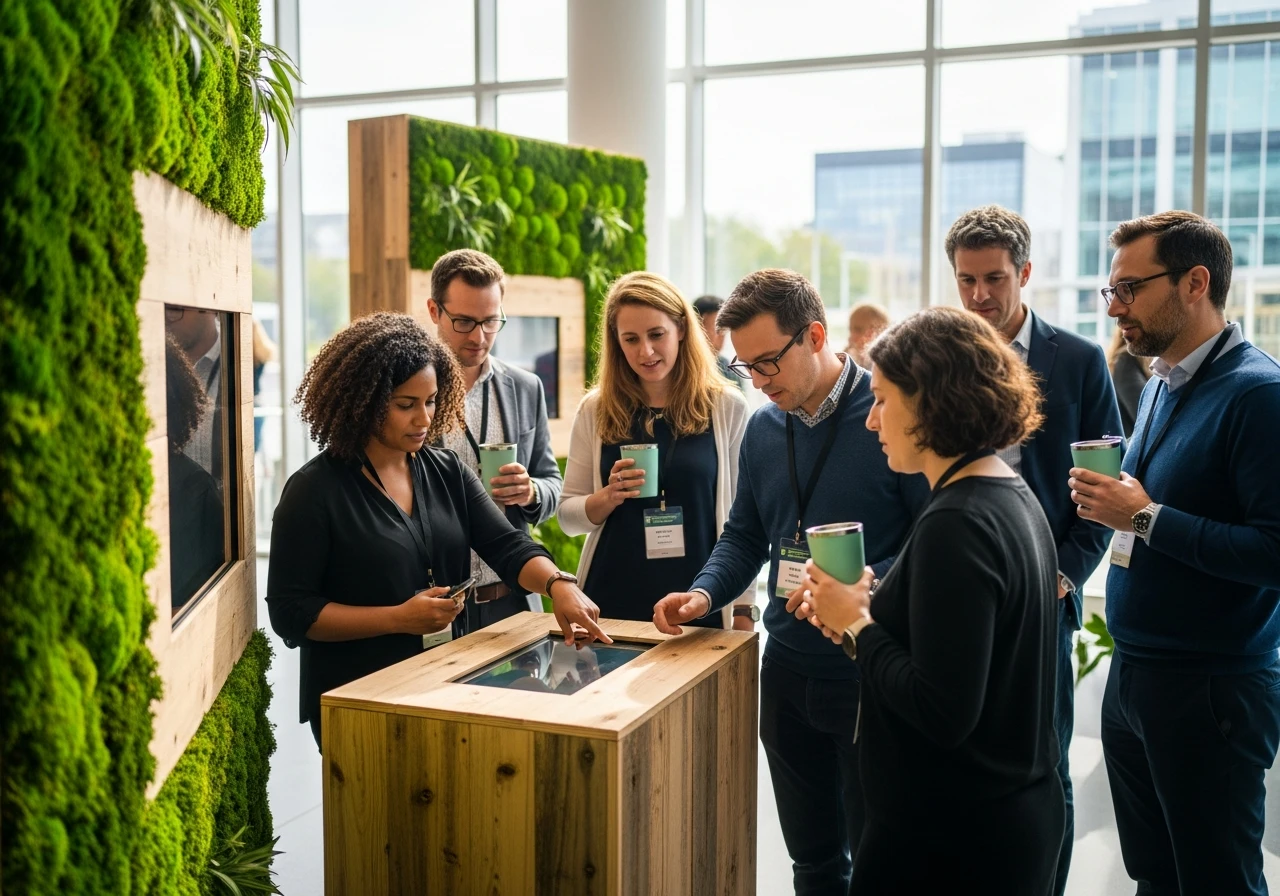
Especially the new generation of consumers are looking not just for a good product or service, but for brands that align with their values and leave a positive impact on the world. Experiential marketing is the most authentic platform for a brand to demonstrate this purpose and stance. Topics like sustainability, social responsibility, diversity, and inclusivity must now be at the heart of experiences.
Coca-Cola's recycling-focused activations at global sporting events or pop-up events supporting local artists and communities demonstrate that the brand has a 'reason' beyond its commercial goals. Participants not only enjoy a fun moment but also feel they are part of a positive movement. This is one of the most powerful ways to build emotional connections.
Conclusion: Experience is the New Brand Identity
In conclusion, the future of experiential marketing is built on less showmanship and more meaning and impact. Technology is merely a tool; the real goal is to use data and creativity to forge more human-centric, personal, and meaningful connections. In this competitive environment where brand loyalty can shift with momentary decisions, brands that design experiences that touch people, make them part of a community, and unite them around a common purpose will be the winners of the future. Because, at the end of the day, experience is not about what the brand says, but how it makes people feel.
If you'd like to implement these trends for your brand and design an unforgettable experience, contact us.
Get a Quote for Your Project
Contact us for experiences that will make your events unforgettable.