Technology in the Event Industry: 5 Trends Shaping the Next 5 Years
The Architecture of Future Experiences: The Intersection of Technology and Human Interaction
Technology transformation in the event industry is no longer an option; it has become a necessity, rewriting the very DNA of the sector. The accelerated digitalization brought on by the pandemic is now giving way to a much more sophisticated and integrated vision. The next five years point to an era where technology transcends being merely a tool, evolving into an architect that designs the experience itself. For brands and event professionals, the core question is how to leverage this transformation into a strategic advantage. The answer lies in using technology to forge more meaningful and personal connections, without losing sight of the human element.
1. Hyper-Personalization: A Unique Universe for Every Attendee
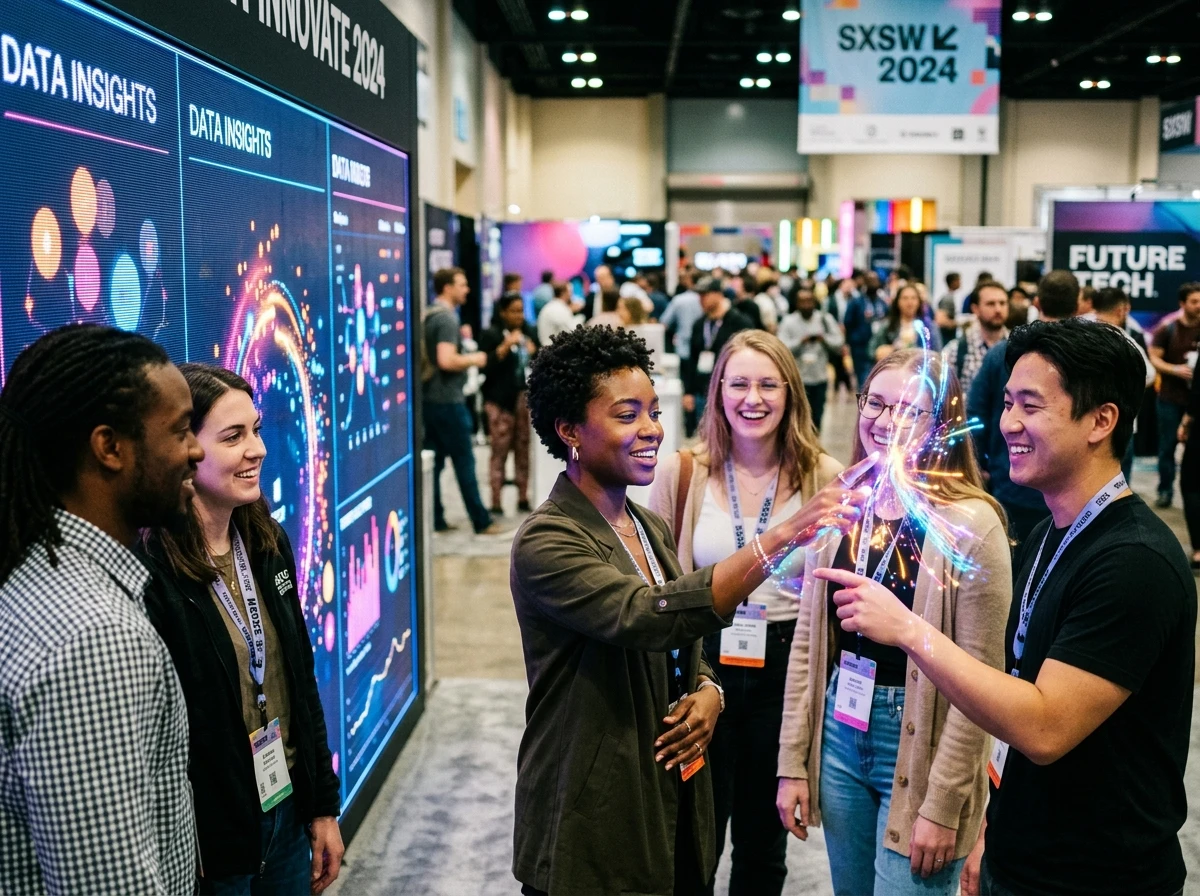
The era of generic content and one-size-fits-all agendas is coming to an end. Thanks to Artificial Intelligence (AI) and machine learning algorithms, it's now possible to design a completely personalized event journey for every attendee. This goes far beyond simply printing a participant's name on a badge. Imagine bringing Spotify's "Wrapped" summary for each user into an event setting. Personal agendas shaped by attendees' past event preferences, social media interactions, and survey responses, along with tailored networking suggestions and exclusive content streams, will become standard. Even at large festivals like SXSW, AI-powered applications are connecting attendees with the most relevant panels and individuals, transforming massive events into boutique experiences.
2. Immersive Worlds: Blurring the Lines Between Physical and Digital
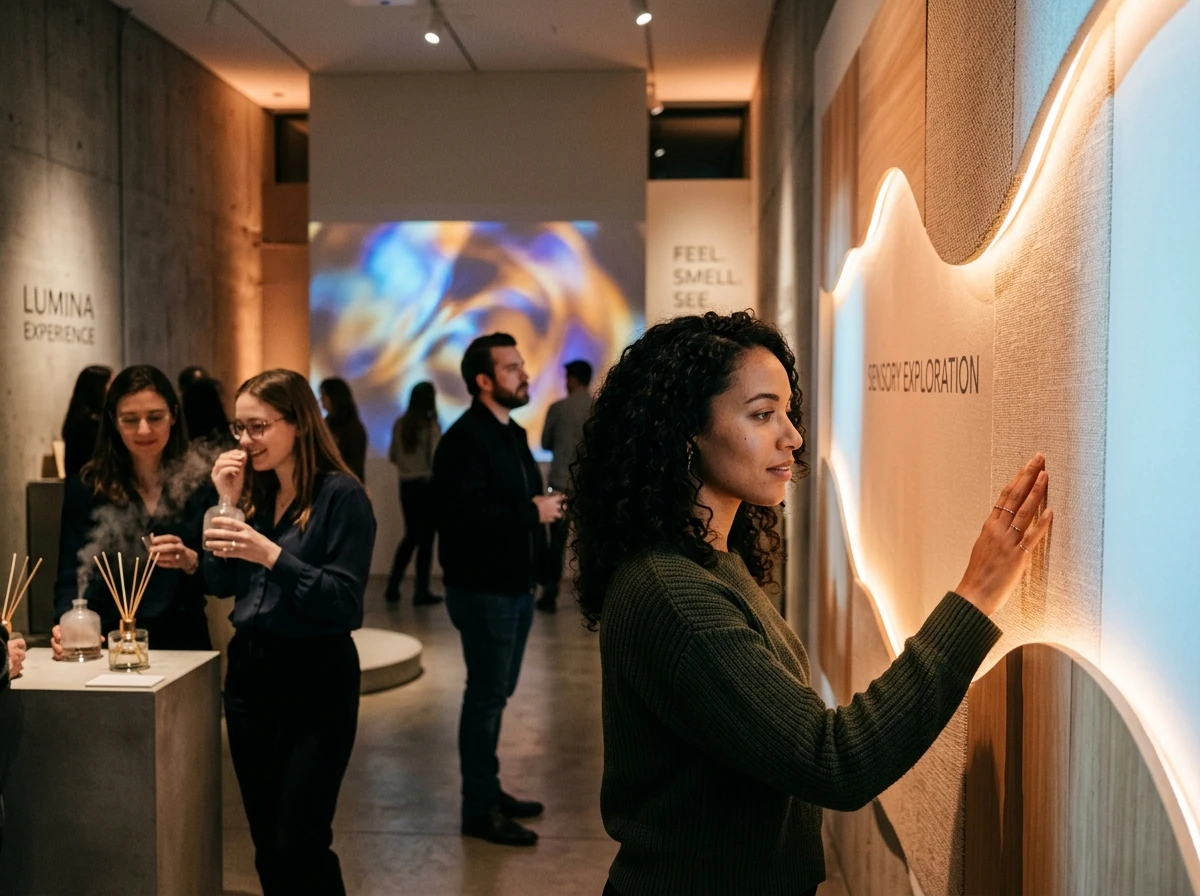
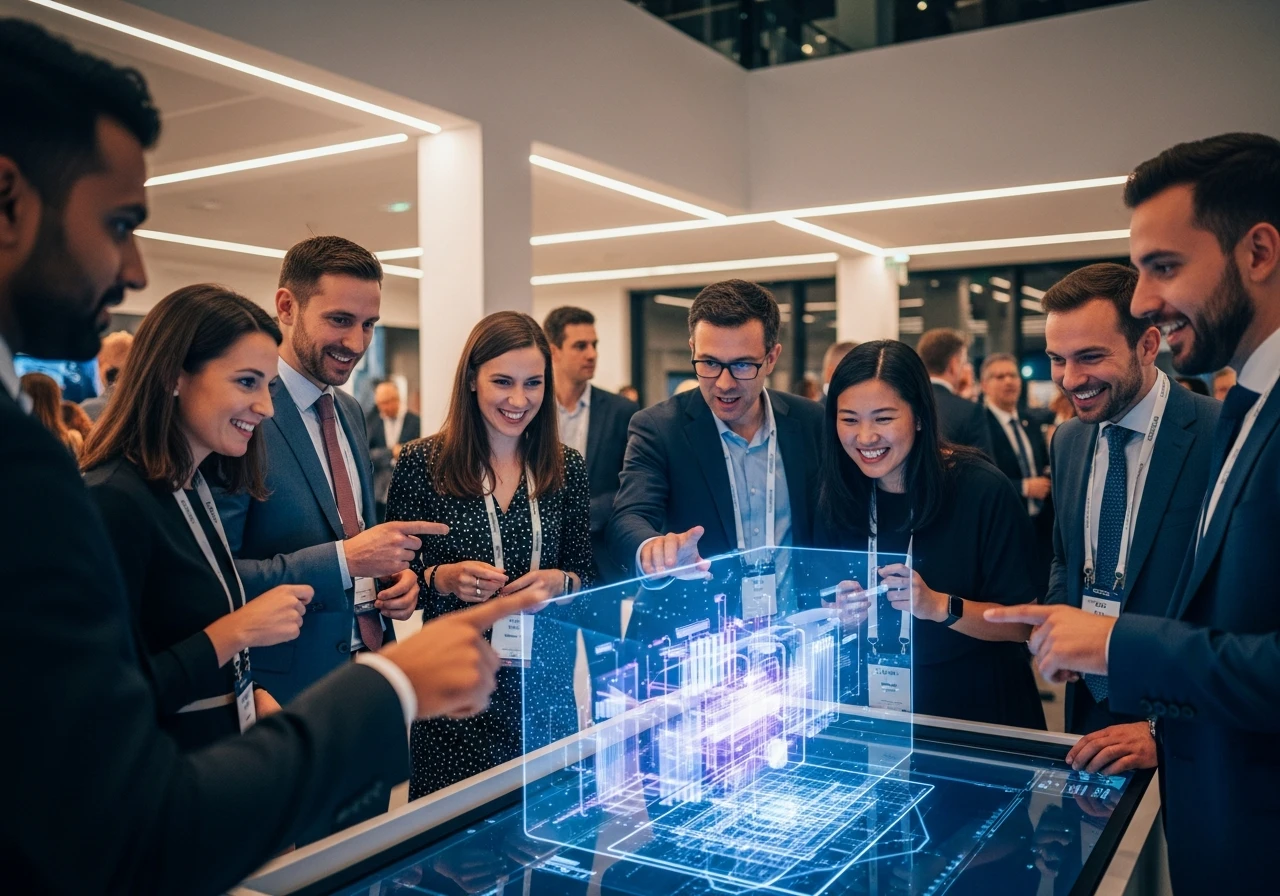
Augmented Reality (AR) and Virtual Reality (VR), collectively known as Extended Reality (XR), are no longer niche technologies. In the coming years, event venues will transcend their physical boundaries, transforming into multi-layered experience spaces. Imagine a car launch where attendees don't just see the vehicle but can 'step inside' the engine with AR glasses or test-drive the car in different geographies. The interactive experiences offered at Nike's "House of Innovation" stores are a retail reflection of this vision. Brands will compete to create these immersive worlds, making attendees part of their story rather than simply telling them about their products or services.
3. Data Analytics: Live Experiences Shaped by Real-time Insights
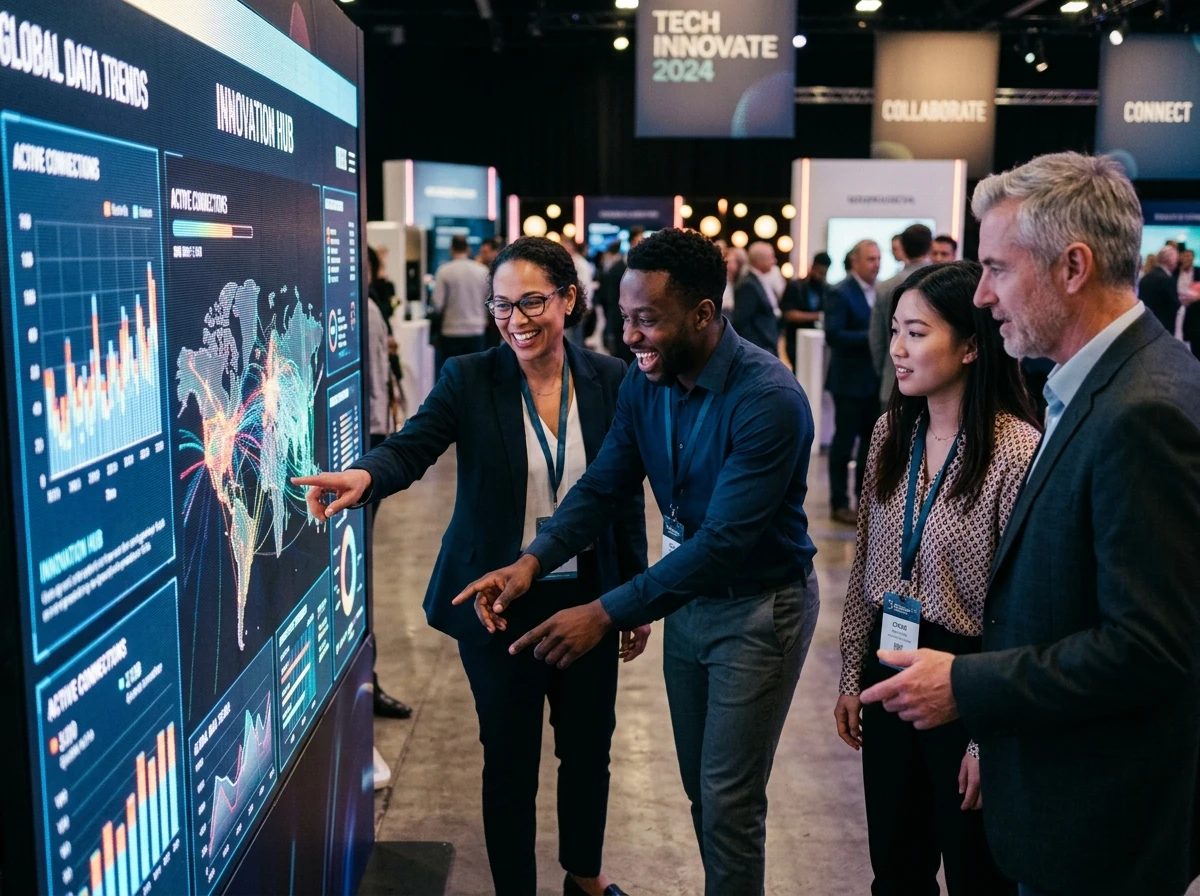
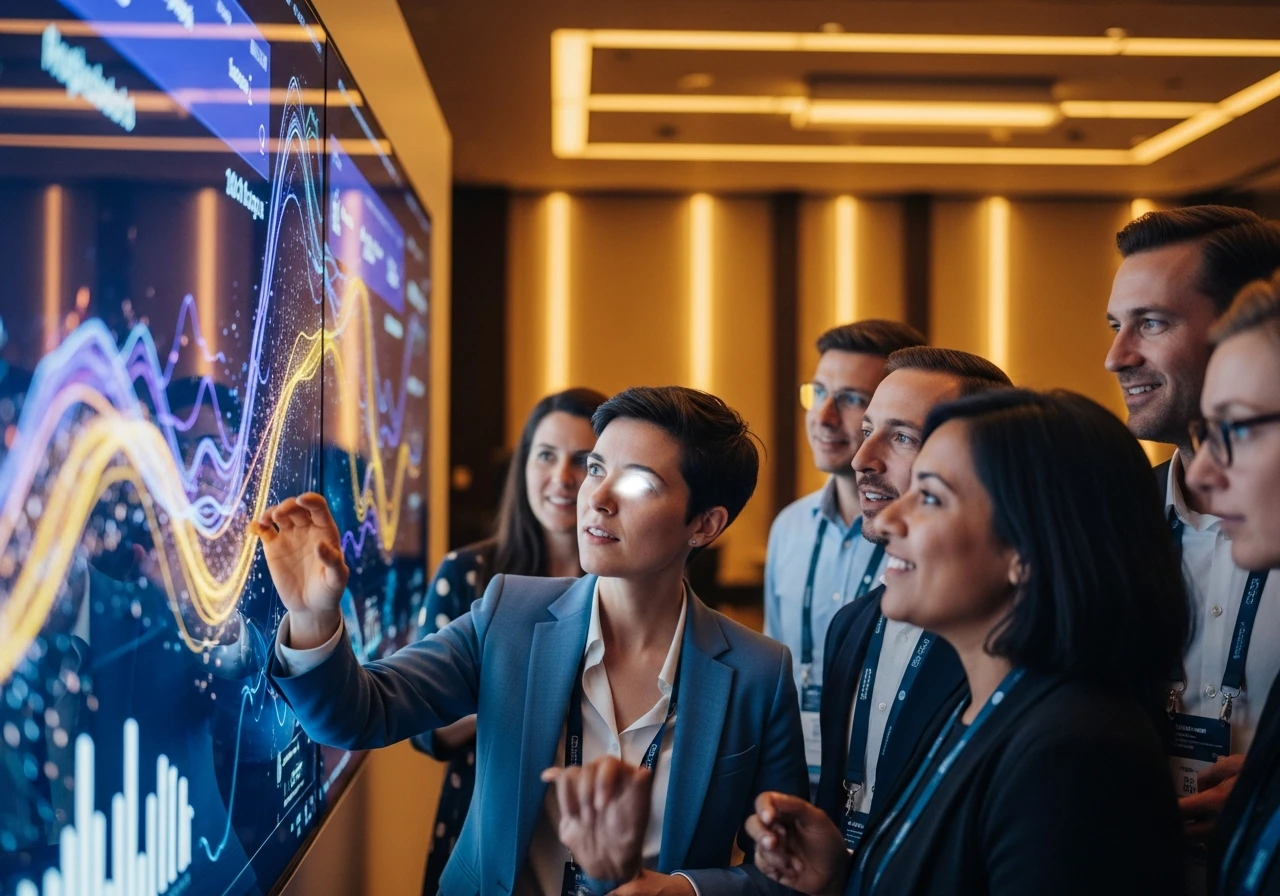
Data is no longer just a metric collected for post-event reports. Thanks to IoT sensors, smart badges, and mobile app interactions, a massive stream of data is generated in real-time during an event. Future event managers will be able to analyze this data instantly to optimize the experience live. For example, if attendee density and energy levels drop in a hall, the system could automatically adjust lighting and music or revitalize the atmosphere with an interactive poll. Real-time sentiment analysis, used by giants like Coca-Cola in their marketing campaigns, will also be deployed in event venues to instantly identify which sessions are most engaging and which sponsor areas are popular, allowing for immediate action.
4. Generative AI: The Organizer's New Creative Partner
Generative AI holds the potential to fundamentally disrupt event planning and management processes. From developing event concepts and writing marketing copy to creating visual designs and preparing social media content plans, AI will become professionals' greatest ally in numerous creative and operational tasks. For attendees, AI-powered "concierge" bots will answer complex questions, summarize missed sessions, and offer personalized networking suggestions, making the event experience seamless. This will free teams from repetitive tasks, allowing them to focus on strategic and creative work, thereby boosting efficiency.
5. Technology-Driven Sustainability
Sustainability is critically important for brand reputation and attendee expectations. Technology will play a key role in reducing events' environmental footprint. Digital ticketing, paperless communication, and smart energy and waste management systems will become standard. Hybrid event platforms will reduce travel needs, thereby lowering carbon emissions. More importantly, technology will enable all sustainability metrics of an event (water consumption, carbon footprint, waste volume) to be transparently measured and reported. This transparency will create a significant competitive advantage for environmentally conscious brands.
Conclusion: A Human-Centric Technology Vision
The next five years will undoubtedly see technology making events more efficient, measurable, and impactful. However, at the heart of this transformation, the most crucial element not to forget is the human. Technology should serve as a bridge, not to replace human interaction, but to make it more meaningful, profound, and unforgettable. The common thread among award-winning works at creativity festivals like Cannes Lions is how masterfully they use technology to touch human emotions. The key to success lies in embracing the latest technology while never losing sight of the goal of fostering genuine connections among attendees.
If you'd like to implement these trends for your brand and design an unforgettable experience, get in touch with us.
Get a Quote for Your Project
Contact us for experiences that will make your events unforgettable.